How Roadside Assistance Can Save You Money Compared to Emergency Repairs
March 16, 2026
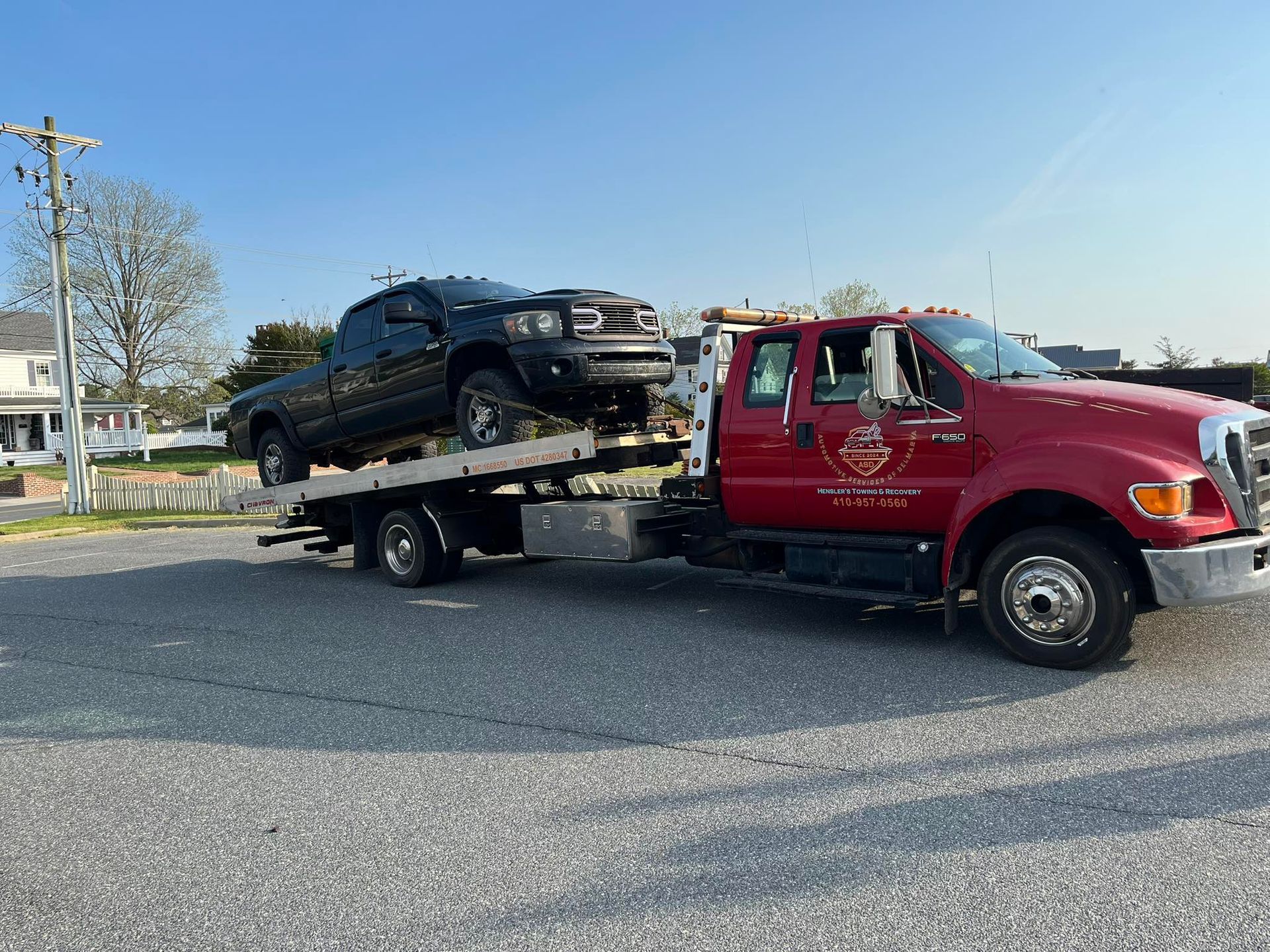
Vehicle breakdowns are one of the most stressful and costly events a driver can experience. When a car suddenly fails, many motorists immediately think about towing to the nearest repair shop or paying for emergency services, often incurring higher-than-expected expenses. While emergency repairs are sometimes unavoidable, relying solely on reactive solutions can quickly drain finances and create unnecessary inconvenience. Roadside assistance programs, on the other hand, offer proactive support that not only ensures safety but also significantly reduces the financial burden associated with unexpected vehicle issues.
The financial advantage of roadside assistance lies in its preventive and immediate-response nature. Rather than waiting for a breakdown to escalate into a costly repair, roadside assistance addresses minor issues on the spot—whether it’s a dead battery, a flat tire, or fuel delivery. This reduces labor costs, avoids expensive towing fees, and minimizes downtime. For drivers who depend on their vehicles for work or daily life, the savings can be substantial. Beyond cost, roadside assistance also provides peace of mind, allowing motorists to handle emergencies efficiently and confidently, making it an essential component of responsible vehicle ownership. Understanding how these programs work and their economic benefits can empower drivers to make smarter choices for both safety and savings.
2. How Roadside Assistance Reduces Immediate Expenses
On-the-Spot Problem Solving
One of the primary advantages of roadside assistance is its ability to resolve minor vehicle issues immediately. Common problems such as flat tires, locked keys, or battery failures can often be fixed on-site without the need for towing or a full-scale repair. A roadside technician can jump-start a car, change a tire, or deliver fuel, which prevents drivers from paying higher emergency shop rates. By addressing problems at the scene, motorists save both time and money.
Avoiding Towing and Labor Fees
Towing is often the most expensive component of an emergency repair. Roadside assistance typically includes a set number of towing miles, often sufficient to reach a preferred repair shop without incurring additional charges. This contrasts with emergency situations where drivers might be forced to tow their vehicle to the nearest open garage, potentially far from home, resulting in steep fees. Additionally, on-site labor through roadside programs is usually included in the service subscription, avoiding unexpected hourly charges for urgent repairs.
Real-World Example
Consider a driver stranded with a flat tire on a busy highway at night. Without roadside assistance, calling an emergency repair service could cost upwards of $200–$300 for a tow and service call. With roadside assistance, a technician can arrive promptly, replace the tire, and get the driver back on the road for minimal or no extra cost beyond the membership or service fee. Over time, these savings add up, making roadside programs a cost-efficient alternative to emergency repairs.
3. Preventive Maintenance Benefits Through Roadside Programs
Early Detection of Issues
Many roadside assistance providers offer services that go beyond immediate repairs. Technicians often identify potential problems before they escalate, such as low fluids, worn-out tires, or battery issues. By catching these early, drivers can schedule routine maintenance proactively, avoiding expensive emergency repairs later. Preventive attention reduces the likelihood of catastrophic failures and extends the lifespan of vehicle components, which directly translates into long-term savings.
Reduced Insurance and Repair Costs
Preventive care also indirectly affects insurance and repair expenses. Vehicles that experience fewer breakdowns often qualify for lower insurance premiums, particularly if the insurer recognizes participation in a roadside assistance program. Similarly, addressing minor issues early prevents expensive replacements, such as alternators, water pumps, or transmission components, which are common outcomes of neglect or prolonged issues.
Expert Insight
Automotive experts consistently stress that minor issues often snowball into costly repairs if left untreated. Roadside assistance acts as a safety net, providing expert evaluation and intervention, ensuring that small problems remain manageable and financially reasonable.
4. Convenience and Time Savings as Financial Value
Minimizing Downtime
Time is money, and emergency vehicle repairs can significantly disrupt schedules. Waiting for a tow truck or repair shop can take hours, leading to lost productivity or missed obligations. Roadside assistance minimizes this downtime by offering rapid, on-site solutions. Quick interventions mean less time away from work, errands, or personal commitments, indirectly saving money that would otherwise be lost due to delays.
Streamlined Service Process
Roadside assistance programs often include mobile apps or 24/7 call centers that facilitate fast dispatch. By streamlining the service process, these programs reduce confusion, coordination errors, and the need for multiple service calls. This efficiency not only saves time but also prevents drivers from incurring extra expenses by engaging multiple providers or paying for repeated service visits.
Real-Life Scenario
Imagine a commuter stuck on the side of the road due to a dead battery. Without roadside assistance, they might call a local tow service, wait an hour, pay a high fee, and still arrive late to work. With roadside assistance, the battery is replaced on-site within 30 minutes, the driver resumes their commute promptly, and the cost is a fraction of what an emergency service would have charged.
5. Cost-Effective Planning Through Roadside Memberships
Predictable Monthly or Annual Fees
Unlike emergency repairs, which are unpredictable, roadside assistance programs offer a fixed, manageable cost for comprehensive coverage. Monthly or annual membership fees provide unlimited access to various services, including towing, jump-starts, tire changes, and fuel delivery. This predictability allows drivers to budget effectively, eliminating the shock of sudden, high emergency repair bills.
Bundled Services for Maximum Value
Many roadside programs bundle multiple services into one plan. For example, a single membership may include towing, battery replacement, lockout assistance, and flat tire changes. These bundled offerings deliver maximum value, allowing drivers to avoid paying separately for each service, which can quickly accumulate during multiple vehicle issues over a year.
Example of Savings
A typical roadside assistance membership costs between $50–$150 annually. Compare this to even one emergency tow at $150 and a repair call of $200–$300; the membership pays for itself with just one incident. For frequent drivers or those with older vehicles prone to issues, the financial benefit is even greater.
Dependable Automotive Experts Providing Smart Roadside Solutions
In today’s unpredictable driving environment, the cost of emergency repairs can quickly escalate, straining both time and finances. Roadside assistance offers a practical, cost-effective alternative by providing immediate solutions, reducing towing and labor fees, and preventing minor issues from becoming major repairs. Beyond direct financial benefits, it also ensures convenience, safety, and peace of mind, enabling drivers to navigate emergencies efficiently and responsibly.
For those seeking reliable support and long-term savings, partnering with an experienced provider is essential. Automotive Services of Delmarva, based in Pocomoke City, Maryland, brings over 30
years of combined experience in automotive care and roadside solutions. Our expert team is dedicated to delivering prompt, professional, and trustworthy service to every driver. From on-site repairs to preventive support, we ensure that every vehicle is handled with precision and care. Choosing our services means investing in safety, reliability, and financial efficiency, demonstrating that proactive
roadside assistance
is not just a convenience—it’s a smart, money-saving strategy.
6. Best Practices for Maximizing Roadside Assistance Benefits
Choose the Right Program
Not all roadside assistance programs are equal. Drivers should select plans that match their vehicle type, driving habits, and geographic location. Consider factors such as towing distance coverage, availability of on-site services, and any exclusions. Understanding the plan ensures that it delivers the maximum financial and practical benefit when emergencies arise.
Maintain Vehicle Health
While roadside assistance is a financial lifesaver, maintaining your vehicle in good condition amplifies savings. Regular inspections, fluid checks, and tire maintenance reduce the frequency of incidents requiring roadside service. Combining preventive maintenance with roadside coverage creates a robust strategy for cost reduction and vehicle reliability.
Know How to Use Services
Familiarity with the program’s processes can prevent unnecessary costs. Drivers should keep membership cards, store app logins, and note emergency contact numbers for quick access. Knowing exactly what services are included, limitations, and coverage areas ensures that they maximize the value of their subscription without resorting to costly out-of-network services.
1. Understanding the Costs of Emergency Repairs
The True Price of a Breakdown
When a vehicle experiences a breakdown, the immediate reaction is to seek emergency repair services. Emergency repairs often carry premium prices due to their urgent nature. Labor costs can be significantly higher outside of standard business hours, and repair shops may charge rush fees. Additionally, towing to a distant mechanic can compound the expense. According to industry reports, the average cost of an emergency tow ranges from $75 to $200, while immediate on-site repairs can exceed several hundred dollars depending on the complexity of the issue.
Additionally, adverse weather conditions, such as sudden snowstorms or heavy rain common in Maryland and Virginia, can exacerbate roadside dangers. A delayed towing response can leave motorists vulnerable to hypothermia, dehydration, or accidents caused by reduced control in slippery conditions. Therefore, response times directly correlate with the level of safety and security provided to drivers in rural areas.
Hidden Costs and Long-Term Impact
Emergency repairs aren’t limited to the visible invoice. Vehicle downtime can lead to lost wages if a driver cannot commute to work or missed appointments, creating indirect financial losses. Furthermore, hurried repairs may overlook underlying issues, potentially leading to recurring breakdowns and additional costs. For example, a quick battery replacement may resolve a dead battery problem but fail to address a faulty alternator, causing repeated visits to the shop. These hidden costs emphasize the importance of proactive solutions like roadside assistance, which minimizes both immediate and secondary expenses.