How U-Haul Rentals in Pocomoke City Can Simplify Your Move or Hauling Project
September 22, 2026
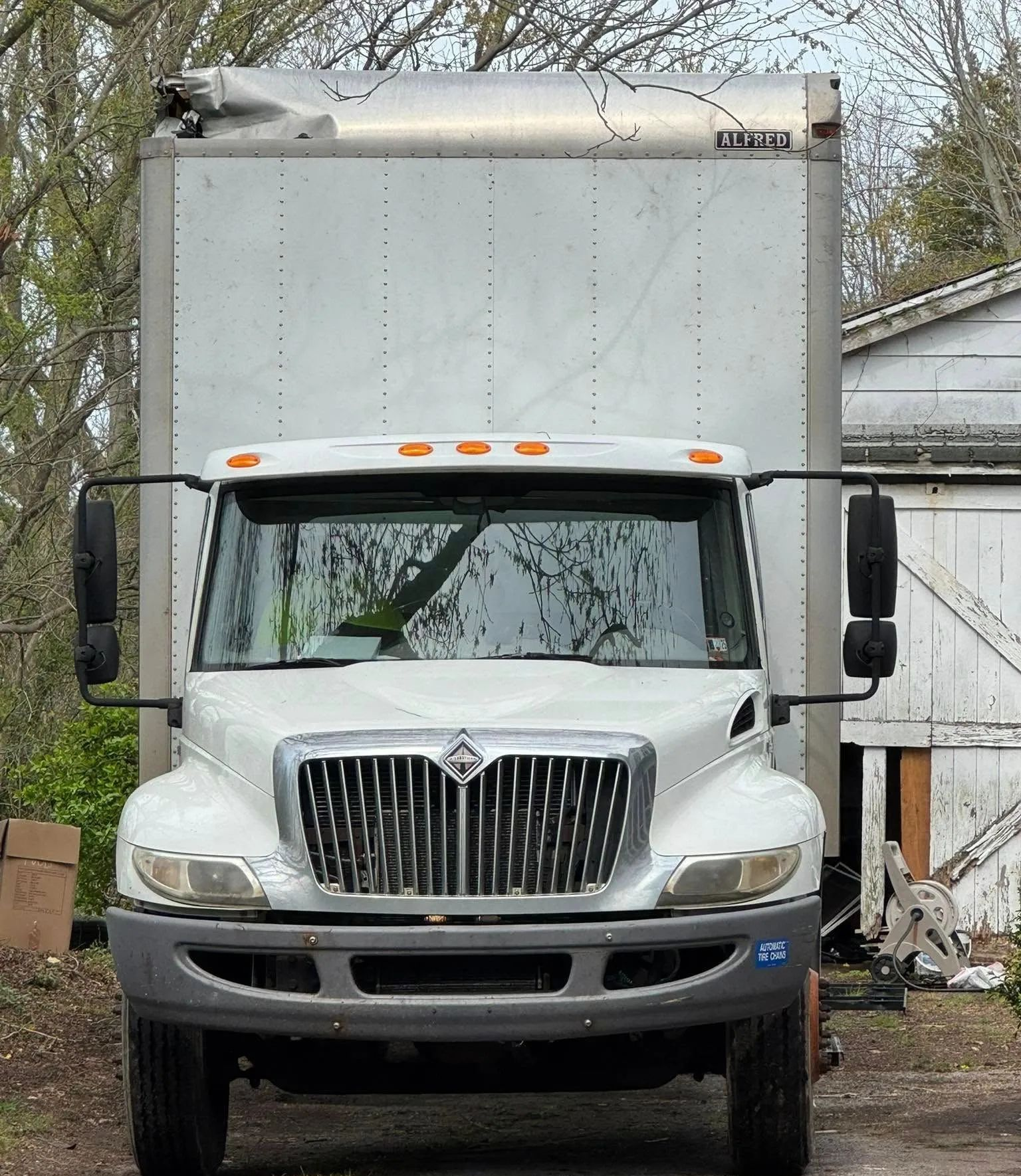
Quick Answer: A U-Haul rental in Pocomoke City simplifies a move by matching the truck size to what you're actually hauling, then handling the vehicle you're leaving behind with the right towing setup. Cargo vans and 10-foot trucks cover an apartment. A 15- or 20-foot truck covers a house. If you're towing a car behind it, a tow dolly works for front-wheel drive vehicles and a car carrier works for almost anything else. Get those two decisions right before loading day, and the rest of the move goes a lot smoother.
You've got a move date circled, a truck reserved, and a driveway full of boxes that somehow multiplied overnight. Renting a U-Haul sounds simple enough. Then you stand in the lot looking at a 10-foot truck next to a 26-foot one, and you realize you have no idea which one your three-bedroom house actually needs. Add a second car that has to make the trip too, and a simple rental turns into a puzzle.
Most moving-day headaches trace back to two decisions made before anyone touches a box. Truck size, and how you're getting your other vehicle there. Get those right and loading day is just labor. Get them wrong and you're making a second trip, or worse, watching a dolly-towed sedan drag its rear tires down Route 13.
Your car just stalled on a dark stretch of Route 13, and you have no idea who to call. Every towing company you find online looks the same; their reviews are mixed, and you are not sure who actually shows up fast, handles your vehicle with care, and charges a fair rate. That one decision, made in under two minutes from the side of the road, can cost you hundreds of dollars or protect your car from damage that a bad tow can quietly cause.
After handling thousands of roadside calls across the Delmarva Peninsula, we can tell you that most drivers have never thought about what separates a
professional towing operation from one that cuts corners until they are already in a bad situation. The seven factors below will help you make that call confidently, whether you are planning ahead or already stranded.
Picking the Right U-Haul Size Without Guessing
Home size sets truck size more than anything else, but people still eyeball it and end up short on space.
Studio or one-bedroom
A 9-foot cargo van or a 10-foot box truck usually covers it. Enclosed on all sides, easy to park on a narrow street, and small enough that backing into a spot doesn't require an audience.
Two-bedroom
Step up to a 15-foot truck. This size adds a Mom's Attic shelf over the cab, which is where mattresses, folded rugs, and lightweight bulky items go so they're not eating floor space you need for furniture.
Two to three bedrooms with a garage
A 20-foot truck gives you the room. This is also where people start underestimating appliances. A washer, dryer, and refrigerator eat far more cubic footage than the same volume of boxed household goods.
Three-plus bedrooms or a full house
The 26-foot truck is U-Haul's largest option, and it's the right call once you're combining a full kitchen, multiple bedrooms, and a garage's worth of tools and yard equipment. It also happens to be the size where drivers feel the road the most, which matters once you're out past the edge of town.
One thing that trips people up: driving a 26-foot truck doesn't require a commercial license in most states, Maryland included, but that doesn't mean it drives like your car. Mirrors become your main tool. Turns take more room. And a truck loaded heavy in the back will handle differently than an empty one, especially on the curves along Route 13 south of town.
Your car just stalled on a dark stretch of Route 13, and you have no idea who to call. Every towing company you find online looks the same; their reviews are mixed, and you are not sure who actually shows up fast, handles your vehicle with care, and charges a fair rate. That one decision, made in under two minutes from the side of the road, can cost you hundreds of dollars or protect your car from damage that a bad tow can quietly cause.
After handling thousands of roadside calls across the Delmarva Peninsula, we can tell you that most drivers have never thought about what separates a
professional towing operation from one that cuts corners until they are already in a bad situation. The seven factors below will help you make that call confidently, whether you are planning ahead or already stranded.
Getting Your Own Vehicle There Too: Dolly, Car Carrier, or Drive It Separately
If you've got a second vehicle, someone has to decide how it's making the trip. There are really three options.
Tow dolly
The front wheels of your car sit up on the dolly while the rear wheels stay on the road. It's the lighter, easier-to-tow setup, but it only works for front-wheel-drive vehicles. Tow a rear-wheel-drive car this way and you'll spin the transmission with the rear wheels still turning on the pavement, which is exactly the kind of repair bill nobody plans for on moving day.
Car carrier (auto transport)
All four wheels lift off the ground onto an enclosed trailer. It costs you a little more length behind the truck, but it works for rear-wheel-drive and all-wheel-drive vehicles that a dolly can't handle safely, and it puts less wear on the towed car overall.
Drive it yourself
Sometimes the simplest answer is a second driver following the truck. On a short move within Worcester County, this can save you the hassle of hitching anything at all. On a longer haul toward Virginia Beach or up past Salisbury, towing usually wins out just so one person isn't managing two vehicles across hours of driving.
Tip: Before you book a dolly, check your vehicle's drive type. It's usually printed on a sticker inside the driver's door or listed in the owner's manual under "drivetrain." Rear-wheel-drive and all-wheel-drive vehicles need the driveshaft disconnected before dolly towing, which isn't a job to guess at on the morning you're leaving
Your car just stalled on a dark stretch of Route 13, and you have no idea who to call. Every towing company you find online looks the same; their reviews are mixed, and you are not sure who actually shows up fast, handles your vehicle with care, and charges a fair rate. That one decision, made in under two minutes from the side of the road, can cost you hundreds of dollars or protect your car from damage that a bad tow can quietly cause.
After handling thousands of roadside calls across the Delmarva Peninsula, we can tell you that most drivers have never thought about what separates a
professional towing operation from one that cuts corners until they are already in a bad situation. The seven factors below will help you make that call confidently, whether you are planning ahead or already stranded.
What Pocomoke City's Roads Actually Do to a Loaded Truck
A loaded 20-foot truck with a car on a dolly behind it doesn't behave like an empty rental, and the roads around here will let you know fast.
Route 13 carries most of the through-traffic on the Eastern Shore, and it's a mix of open stretches and slower sections through town where speed limits change with little warning. Pull a trailer through Pocomoke City's downtown and the historic district's narrower streets, tighter parking, and closer-set buildings leave less room to maneuver than a wide suburban lot would. If your route crosses the Pocomoke River bridge or, further along, the Chesapeake Bay Bridge for anyone relocating off the shore entirely, that's exactly where you want the hitch already checked and the load already settled, not something you're thinking about mid-span.
Warning: Trucks towing a dolly or trailer need more room to turn and can't back up safely once something's hitched behind them. Plan every stop as a pull-through, not a backup, and check the hitch, safety chains, and tire pressure on both the truck and the towed vehicle at every fuel stop. A chain that looked fine at the U-Haul lot can work loose forty miles down the road.
Rural roads outside town add their own wrinkle. Shoulders are narrower, and the drop-off from pavement to gravel is steeper than it looks from the driver's seat. Drift a loaded truck's rear wheels off the edge and you're not just stuck, you're stuck with a car hitched behind you that has to come off before anyone can pull the truck free.
Timing matters too. Late spring through Labor Day, Route 13 and the roads feeding into Ocean City and Ocean Pines carry a heavy load of beach traffic on top of the usual local driving. A loaded truck merging into that on a Friday afternoon is a different experience than the same drive on a quiet Tuesday morning. If your move date has any flexibility, an early-week departure gets you out of town before the weekend crowd builds.
Your car just stalled on a dark stretch of Route 13, and you have no idea who to call. Every towing company you find online looks the same; their reviews are mixed, and you are not sure who actually shows up fast, handles your vehicle with care, and charges a fair rate. That one decision, made in under two minutes from the side of the road, can cost you hundreds of dollars or protect your car from damage that a bad tow can quietly cause.
After handling thousands of roadside calls across the Delmarva Peninsula, we can tell you that most drivers have never thought about what separates a
professional towing operation from one that cuts corners until they are already in a bad situation. The seven factors below will help you make that call confidently, whether you are planning ahead or already stranded.
Loading Day: What Actually Slows People Down
Even with the right truck and the right towing setup, a handful of small things cost people hours they didn't budget.
Parking for the truck
If you're loading from a home in Pocomoke City's older residential blocks or the downtown historic area, street parking can be tighter than a moving truck needs. Scout the spot the day before, not the morning of.
Weight distribution
Heavy items belong low and toward the front of the load, over the axle, not stacked at the back doors where they'll shift the truck's balance on every turn.
What doesn't need to move at all
Every move turns up at least one vehicle sitting in the yard that hasn't run in years, and hauling it isn't worth the trailer space or the time. Getting it off the property before loading day, rather than working around it, clears space and one less thing to plan for.
Getting the tow hookup right the first time
Hitching a dolly or car carrier correctly, and disconnecting a driveshaft when the vehicle needs it, isn't something most people do more than once or twice in their life. A crew that handles towing setups every day can get you hitched and checked in the time it would take to look up instructions online.
Reserving the truck early
Around here, rental trucks book up fastest in the weeks tied to the start and end of a lease cycle, which for a lot of renters lands right around the first of the month. If your move date sits near one of those windows, lock in the truck size you need well before loading day instead of taking whatever's left on the lot.
Your car just stalled on a dark stretch of Route 13, and you have no idea who to call. Every towing company you find online looks the same; their reviews are mixed, and you are not sure who actually shows up fast, handles your vehicle with care, and charges a fair rate. That one decision, made in under two minutes from the side of the road, can cost you hundreds of dollars or protect your car from damage that a bad tow can quietly cause.
After handling thousands of roadside calls across the Delmarva Peninsula, we can tell you that most drivers have never thought about what separates a
professional towing operation from one that cuts corners until they are already in a bad situation. The seven factors below will help you make that call confidently, whether you are planning ahead or already stranded.
Frequently Asked Questions
What size U-Haul do I need for a one-bedroom apartment in Pocomoke City?
A 9-foot cargo van or 10-foot truck covers most one-bedroom apartments. If you've got larger furniture or a home office worth of extra boxes, size up to the 15-foot truck so you're not making a second trip.
Can I tow my own car behind a U-Haul truck?
Yes, using either a tow dolly or a car carrier, depending on your vehicle's drivetrain. Front-wheel-drive cars can usually go on a dolly. Rear-wheel-drive and all-wheel-drive vehicles need a car carrier or a disconnected driveshaft before dolly towing.
What's the real difference between a tow dolly and a car carrier?
A dolly lifts only the front wheels off the ground, so the rear wheels still roll on the pavement. A car carrier lifts all four wheels onto an enclosed trailer. Dollies are lighter to tow but limited to front-wheel-drive vehicles; carriers handle nearly any vehicle.
Do I need a special license to drive a 26-foot U-Haul truck?
In Maryland, a standard driver's license covers U-Haul's full lineup, including the 26-foot truck. It still drives heavier and turns wider than a personal vehicle, so give yourself extra room and extra following distance, especially with a car towed behind it.
What should I check before driving a loaded truck across the Bay Bridge?
Check the hitch, safety chains, and tire pressure on both the truck and the towed vehicle before you get anywhere near the bridge. Wind and traffic merges are the two things that catch loaded trucks off guard there, and there's no shoulder to pull onto once you're on the span.
Can someone help me hook up a tow dolly if I've never done it before?
Yes. Getting the hitch, chains, and driveshaft disconnection (if needed) done right the first time takes a few minutes for someone who does it regularly, and it's worth having a second set of eyes check the setup before you pull onto Route 13.
Your car just stalled on a dark stretch of Route 13, and you have no idea who to call. Every towing company you find online looks the same; their reviews are mixed, and you are not sure who actually shows up fast, handles your vehicle with care, and charges a fair rate. That one decision, made in under two minutes from the side of the road, can cost you hundreds of dollars or protect your car from damage that a bad tow can quietly cause.
After handling thousands of roadside calls across the Delmarva Peninsula, we can tell you that most drivers have never thought about what separates a
professional towing operation from one that cuts corners until they are already in a bad situation. The seven factors below will help you make that call confidently, whether you are planning ahead or already stranded.
Two Decisions That Make or Break Moving Day
A move out of Pocomoke City comes down to fewer choices than it feels like while standing in a driveway full of boxes. Match the truck to the home, match the towing method to the car left behind, and the rest of the day settles into ordinary labor. Automotive Services of Delmarva has spent more than 30 years on these roads, watching which truck and tow setups hold up from Route 13's open stretches to the tighter turns downtown.
None of this needs to be complicated once the two big questions get answered early instead of the morning of. A truck sized to the actual home, a tow setup matched to the actual car, and a driveway that clears out in hours rather than dragging into a second day. That's the difference between a move that wears everyone out and one that just gets done, mile marker by mile marker, all the way to wherever the next chapter starts.