Common Roadside Emergencies Along Route 13—and How to Stay Prepared
April 20, 2026
Route 13 serves as a critical north–south corridor along the Delmarva Peninsula, connecting major towns, coastal destinations, and commercial hubs. With a steady mix of local commuters, long-haul drivers, and seasonal travelers, this highway experiences a wide range of driving conditions year-round. From heavy summer traffic to unpredictable weather shifts, the demands placed on vehicles traveling Route 13 can quickly expose mechanical weaknesses or driver unpreparedness. As a result, roadside emergencies are not uncommon, making awareness and preparedness essential for anyone regularly using this route. Drivers must remain attentive and proactive, as even routine trips can present unexpected challenges. Proper planning, vehicle maintenance, and situational awareness play a crucial role in ensuring safe and uninterrupted travel along this busy corridor.
Understanding the most frequent roadside emergencies along Route 13 is not just about convenience—it directly impacts safety, time, and cost. A minor issue like a flat tire or dead battery can escalate into a dangerous situation if it occurs in a high-traffic or low-visibility area. By recognizing common risks and taking proactive steps, drivers can reduce the likelihood of breakdowns and respond effectively when problems arise. This guide explores the most common roadside emergencies encountered along Route 13 and provides practical strategies to stay prepared, ensuring a safer and more reliable travel experience. Being informed allows drivers to act quickly and confidently during emergencies. It also helps minimize disruptions, avoid costly repairs, and maintain overall peace of mind while traveling long distances.
2. Dead Batteries: Warning Signs and Solutions
Why Batteries Fail Unexpectedly
Battery failures are another common roadside issue, particularly during extreme weather conditions throughout the year. Cold temperatures reduce battery capacity, while excessive heat accelerates internal wear and chemical breakdown. Leaving headlights or electronic devices on can quickly drain power, especially in older vehicles with weaker systems. Corroded terminals and aging battery components further increase the risk of sudden failure. These combined factors make batteries unreliable without proper care, emphasizing the importance of routine checks to maintain consistent starting power and dependable vehicle operation.
How to Stay Prepared for Battery Issues
Regular battery inspections are essential to prevent unexpected failures and inconvenient roadside situations. Drivers should monitor warning signs such as slow engine cranking, dim headlights, or dashboard alerts indicating low voltage. Carrying jumper cables or a portable jump starter can provide immediate assistance during emergencies. Scheduling periodic battery testing helps ensure reliability, especially before long trips. Replacing aging batteries proactively reduces breakdown risks, improves vehicle performance, and provides peace of mind, ensuring drivers remain prepared for changing weather conditions and demanding travel situations.
3. Engine Overheating: Causes and Immediate Actions
Understanding Overheating Risks
Engine overheating is a serious issue that can lead to costly mechanical damage if not addressed promptly. Common causes include low coolant levels, radiator leaks, malfunctioning thermostats, or failing water pumps. Heavy traffic conditions combined with high temperatures increase stress on the engine cooling system significantly. Without proper maintenance, these factors can quickly cause temperature spikes. Persistent overheating reduces engine efficiency and lifespan, making it essential for drivers to understand warning signs and maintain cooling components to ensure reliable vehicle operation.
What to Do When Overheating Occurs
If the temperature gauge rises above normal levels, drivers should pull over safely and turn off the engine immediately. Allowing sufficient time for the engine to cool helps prevent burns or further damage when checking components. Once cooled, inspecting coolant levels and refilling if necessary can resolve minor issues temporarily. Carrying extra coolant is highly recommended for emergencies. Regular maintenance, including system flushing and inspections, ensures proper cooling performance, reduces breakdown risks, and helps drivers manage overheating situations effectively and safely.
4. Fuel Shortages: Avoiding an Easily Preventable Emergency
Why Running Out of Fuel Happens
Running out of fuel remains a surprisingly common roadside problem despite being entirely preventable with basic planning. Long stretches between fuel stations, especially in less populated areas, can catch drivers unprepared during extended travel. Inaccurate fuel gauges or misjudging travel distance also contribute to this issue. Distractions and poor planning further increase the risk. These factors combined highlight the importance of awareness and preparation, ensuring drivers maintain adequate fuel levels to avoid unnecessary delays, inconvenience, and potentially hazardous roadside situations.
Practical Tips to Prevent Fuel Emergencies
Maintaining at least a quarter tank of fuel at all times is a simple yet highly effective preventive strategy. Planning fuel stops ahead of long trips ensures continuous travel without unexpected interruptions. Drivers should familiarize themselves with fuel station locations along their route for better preparedness. Carrying a small approved fuel container offers an additional safety backup in remote areas. Consistent monitoring of fuel levels, combined with proactive planning, significantly reduces the risk of running out of fuel and enhances overall driving safety.
5. Lockouts and Lost Keys: Managing Unexpected Access Issues
Common Causes of Vehicle Lockouts
Vehicle lockouts often occur due to simple mistakes such as leaving keys inside or misplacing them during travel stops. Modern keyless entry systems, although convenient, can fail due to battery issues or electronic malfunctions. Distractions, rushed decisions, and unfamiliar environments increase the likelihood of these incidents. Losing access to a vehicle can be stressful, especially in busy or unsafe locations. Understanding these common causes helps drivers stay alert and take preventive measures to avoid inconvenient and potentially risky lockout situations.
Preparedness and Preventive Measures
Keeping a spare key in a secure and accessible location is one of the most effective preventive solutions. Drivers can also use magnetic key holders or digital key storage options for added convenience. Maintaining access to roadside assistance services ensures quick resolution during emergencies. Regularly checking key fob battery life prevents unexpected malfunctions. By staying prepared and organized, drivers can significantly reduce the chances of lockouts, minimize stress, and maintain control over unexpected situations while traveling or parking in unfamiliar areas.
Experienced Automotive Care for Unexpected Roadside Situations
Roadside emergencies along Route 13 can occur without warning, but most are preventable with proper awareness and preparation. From flat tires and dead batteries to overheating engines and fuel shortages, each scenario highlights the importance of routine maintenance and proactive planning. Understanding these common issues enables drivers to respond quickly and confidently, reducing risks and minimizing disruptions. Preparedness not only protects the vehicle but also ensures the safety of everyone on the road. Staying alert and regularly inspecting your vehicle can significantly lower the chances of unexpected breakdowns. Consistent care and attention make every journey safer and more predictable.
When unexpected situations arise, having access to reliable roadside assistance becomes invaluable. Automotive Services of Delmarva, located in Pocomoke City, Maryland, brings over 30
years of combined experience in handling a wide range of roadside emergencies. With a strong commitment to safety, efficiency, and customer satisfaction, we provide dependable support when it matters most. Our expertise ensures that drivers along Route 13 receive prompt, professional assistance, helping them get back on the road with confidence and peace of mind. Quick response times and skilled technicians make a significant difference during stressful situations. Choosing a trusted service provider ensures reliable help is always within reach.
6. Accidents and Minor Collisions: Staying Safe Under Pressure
Factors Contributing to Road Incidents
Heavy traffic, driver fatigue, and sudden weather changes are major contributors to accidents on busy roadways. Distracted driving, including mobile phone use, significantly increases the risk of collisions. Speeding and failure to follow traffic rules further elevate danger levels. Even minor accidents can create serious disruptions and safety hazards. Understanding these contributing factors helps drivers stay vigilant, adopt safer driving habits, and remain prepared to handle unexpected situations responsibly while minimizing risks for themselves and others on the road.
Steps to Handle Accidents Effectively
In the event of an accident, safety should always be the top priority for all individuals involved. Drivers should move vehicles to a safe location if possible and activate hazard lights immediately. Contacting emergency services ensures proper assistance and documentation of the incident. Taking photos and noting details helps with insurance and legal processes. Keeping an emergency kit with first aid supplies, reflective triangles, and flashlights enhances preparedness, allowing drivers to manage situations efficiently while ensuring personal safety and compliance with regulations.
1. Flat Tires: Causes, Risks, and Prevention
Common Causes of Tire Failures
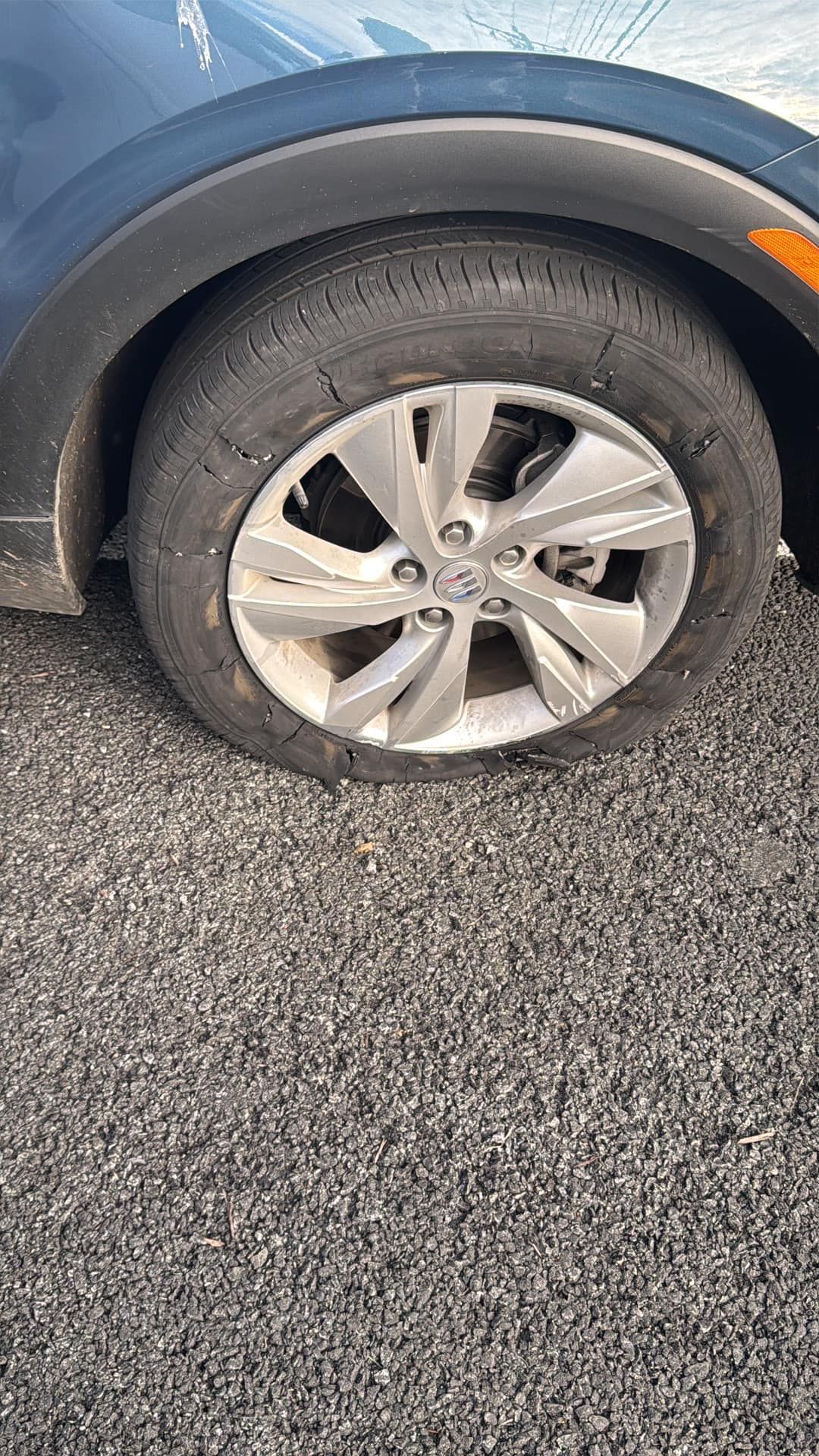
Flat tires are among the most frequent roadside emergencies along Route 13. Debris such as nails, glass, and sharp metal fragments often accumulate on busy highways, increasing the likelihood of punctures. Seasonal temperature fluctuations also affect tire pressure, causing underinflation or overinflation, both of which weaken tire structure. Worn tread further reduces traction and increases the risk of sudden blowouts, especially during high speed travel, making regular inspection essential for driver safety and consistent vehicle performance on long routes and reliability in varying driving conditions today.
Prevention and Preparedness Strategies
Routine tire maintenance is the most effective way to prevent flats and unexpected roadside delays. Checking tire pressure regularly, rotating tires, and inspecting tread depth help ensure optimal performance and longer lifespan. Drivers should also carry a properly inflated spare tire, a jack, and a lug wrench for emergencies. Investing in a portable tire inflator and sealant kit can provide temporary fixes, allowing drivers to safely reach assistance. Proper preparation reduces downtime, enhances safety, and ensures confidence while traveling on busy highways or unfamiliar routes.