How to Choose the Right Towing Company: 7 Key Things Every Driver Should Know
June 27, 2026
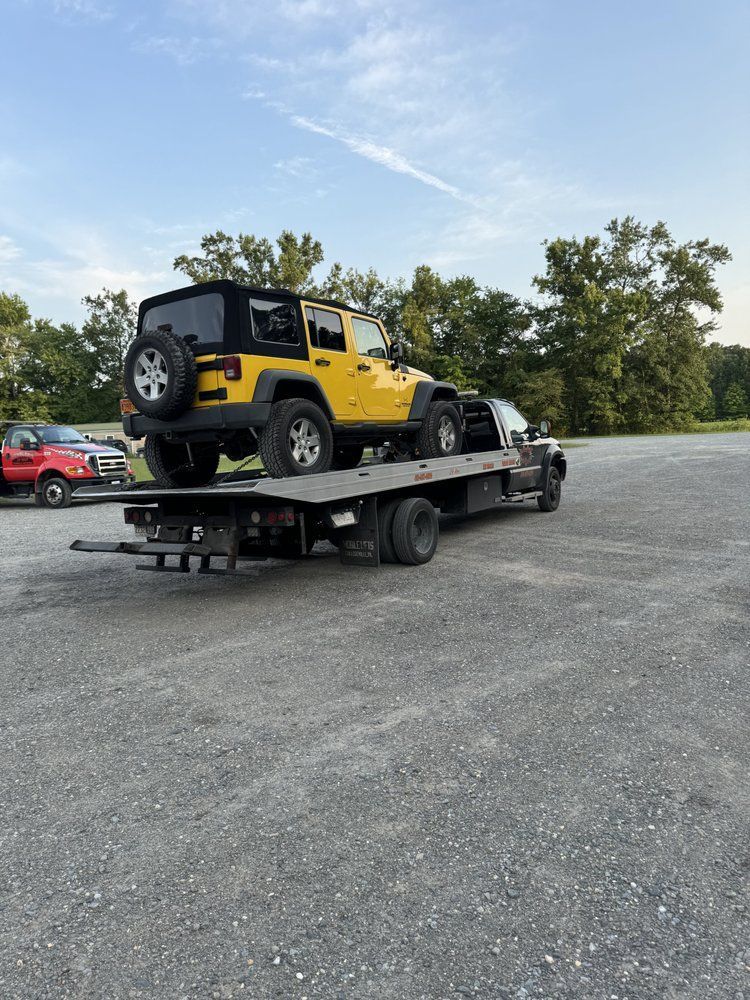
Your car just stalled on a dark stretch of Route 13, and you have no idea who to call. Every towing company you find online looks the same; their reviews are mixed, and you are not sure who actually shows up fast, handles your vehicle with care, and charges a fair rate. That one decision, made in under two minutes from the side of the road, can cost you hundreds of dollars or protect your car from damage that a bad tow can quietly cause.
After handling thousands of roadside calls across the Delmarva Peninsula, we can tell you that most drivers have never thought about what separates a
professional towing operation from one that cuts corners until they are already in a bad situation. The seven factors below will help you make that call confidently, whether you are planning ahead or already stranded.
3. Ask About Response Time and Coverage Area
On the Delmarva Peninsula, geography matters. A company based 45 miles away that advertises "regional service" may take over an hour to reach rural Worcester County roads. Response time on a summer evening near Ocean City can stretch even longer during tourist season, when traffic on US-113 backs up significantly.
Ask for an estimated arrival window upfront, not just a vague promise. Most professional operations can give you a 15 to 30 minute estimate within their core service area. If a dispatcher cannot give you any timeframe, that is a real warning sign.
4. Confirm the Destination Policy
Some towing companies only transport vehicles to their own affiliated shop, which removes your ability to choose your repair facility. This practice is more common than most drivers realize, and it can leave you locked into repair quotes you never agreed to.
Ask this specific question before authorizing the tow: "Can you take my vehicle to the shop of my choice?" The answer should be yes without conditions. If a company pressures you toward their partnered facility, hang up and call someone else
5. Get the Rate Structure Confirmed in Writing or Verbally on Record
Towing rate disputes are one of the most common complaints filed with state consumer protection offices. Rates typically include a hook-up charge, a per-mile charge, and sometimes storage fees if your vehicle stays on their lot overnight. In Maryland, storage fees accumulate fast, sometimes reaching a significant amount within 48 hours.
Before you authorize anything, ask for the hook-up charge, the per-mile rate to your destination, and whether any storage applies. A company that refuses to give you clear numbers before towing is not a company worth trusting.
6. Look for Specialization When You Need It
Not every tow is a broken-down sedan. Motorcycles require soft tie-down equipment and a driver who understands how to load them without scratching the frame. Classic or modified vehicles need operators who know not to drag a front bumper across a flatbed lip.
In low-clearance emergencies like a vehicle in a ditch off Route 12 through the marsh areas of lower Somerset County, you need recovery equipment, not just a standard wrecker.
Ask whether the company has experience with your specific vehicle or situation. A company that handles everything from motorcycles to heavy equipment will almost always have more field-trained drivers than a small operation running one truck.
7. Read Recent Reviews With a Critical Eye
A four-star average from 11 reviews written three years ago tells you almost nothing about what that company does today. Look for reviews from the past six months that mention specific details: arrival time, how the driver handled the vehicle, whether the rate matched what was quoted.
Pay close attention to how the company responds to negative reviews. A defensive or dismissive response to a legitimate complaint reveals far more about how they operate than a wall of generic praise. On the Eastern Shore, where word-of-mouth still carries significant weight, a well-established towing company will have a documented track record across multiple platforms.
Common Mistakes Drivers Make When Calling for a Tow
Calling the first result without checking coverage areas is the most common error we see. The first organic search result is often a national dispatch aggregator that reroutes your call to a subcontractor, adding time and cost without any accountability for how your vehicle is handled.
Accepting a vague ETA without asking for clarification leads to an hour of uncertainty on a dark shoulder. Push for a real window.
Forgetting to notify your insurance provider before authorizing the tow can cost you reimbursement. Many policies include roadside assistance that either covers the tow or requires pre-authorization. Check your policy before you call or keep the paperwork in your glove box.
Diagnostic Quick Reference
| Situation | What to Ask | Priority Level |
|---|---|---|
| AWD or 4WD vehicle broken down | Confirm flatbed availability | High |
| Vehicle in ditch or off-road | Ask specifically about recovery equipment | High |
| Motorcycle or classic car | Ask about tie-down method and driver experience | High |
| Standard sedan, short distance | Wheel-lift acceptable, confirm rate upfront | Medium |
| Vehicle needs tow to specific shop | Confirm destination policy before authorizing | Medium |
| Nighttime breakdown on rural road | Ask for exact ETA and dispatcher callback number | Medium |
Certified Towing Professionals Rooted in Pocomoke City, Maryland
Choosing the right towing company comes down to three things: verify credentials before the emergency, understand exactly what equipment is coming and where your vehicle is going, and get rates confirmed before anything moves. In the Delmarva region, where rural roads, seasonal traffic patterns, and marsh terrain add variables you will not find in a national towing guide, working with a locally experienced operator makes a measurable difference in outcomes.
Automotive Services of Delmarva
has served drivers across Pocomoke City, Maryland for over 30
years. When your vehicle needs a tow, a jump, or roadside recovery, we know this geography, and we handle your vehicle the right way.
FAQs
What should I do immediately after a breakdown before calling a tow truck?
Move your vehicle off the road, activate hazard lights, and stay behind a guardrail away from traffic. Check your insurance for roadside coverage before authorizing a tow. Keep a reflective triangle in your trunk, especially on rural Eastern Shore roads with minimal lighting.
Is it safe to stay in my vehicle while waiting for a tow truck?
On high-speed roads, exit and stand behind a guardrail. On slower rural roads in Worcester or Somerset County, staying inside with your seatbelt on and hazards running is generally safer. Base your decision on traffic speed and available shoulder width before choosing.
How do I know if a towing company is overcharging me?
Maryland does not cap standard towing rates in all jurisdictions, so always request an itemized breakdown before authorizing anything. A company refusing to give specific figures upfront is a clear warning sign. Report deceptive pricing to the Maryland Office of the Attorney General.
Does my car insurance cover towing?
Many comprehensive auto policies include roadside assistance covering towing up to 15 to 100 miles depending on your plan. Review your declarations page and notify your insurer before authorizing a tow. Skipping that step can result in a denied reimbursement claim later.
What local conditions on the Delmarva Peninsula affect towing response times?
Summer tourist traffic on US-113 and US-50 significantly stretches response windows near Ocean City. Winter fog over tidal marshes and occasional black ice on rural county roads add further delays. A locally based company familiar with Delmarva geography navigates these conditions far more reliably.
1. Verify Licensing and Insurance Before You Need Them
Every towing company operating legally in Maryland must carry liability insurance and maintain a valid commercial vehicle license. Do not assume because a truck looks professional that the paperwork is in order. Ask directly: are you licensed in Maryland and do you carry cargo liability coverage?
Cargo liability coverage specifically protects your vehicle while it is being transported. General liability does not cover damage to the car on the hook. That distinction matters enormously if your transmission gets damaged during an improper flatbed load. Reputable operators will answer this question without hesitation.
2. Understand the Difference Between Tow Types
Sending a wheel-lift truck for an all-wheel-drive vehicle can destroy the drivetrain within a quarter mile of towing. The three primary tow types each serve different purposes:
| Tow Type | Best Used For | Risk if Mismatched |
|---|---|---|
| Flatbed | AWD, 4WD, low-clearance vehicles | None when used correctly |
| Wheel-lift | Standard 2WD vehicles, short distances | Drivetrain damage on AWD or 4WD |
| Integrated/Heavy | Commercial vehicles, large trucks | Overkill for standard passenger cars |
When you call, tell the dispatcher your vehicle's drivetrain type, not just the make and model. A knowledgeable operator will immediately confirm which equipment they are sending.