Top Reasons Vehicles Need Towing on the Eastern Shore—and How to Prevent Them
December 27, 2025
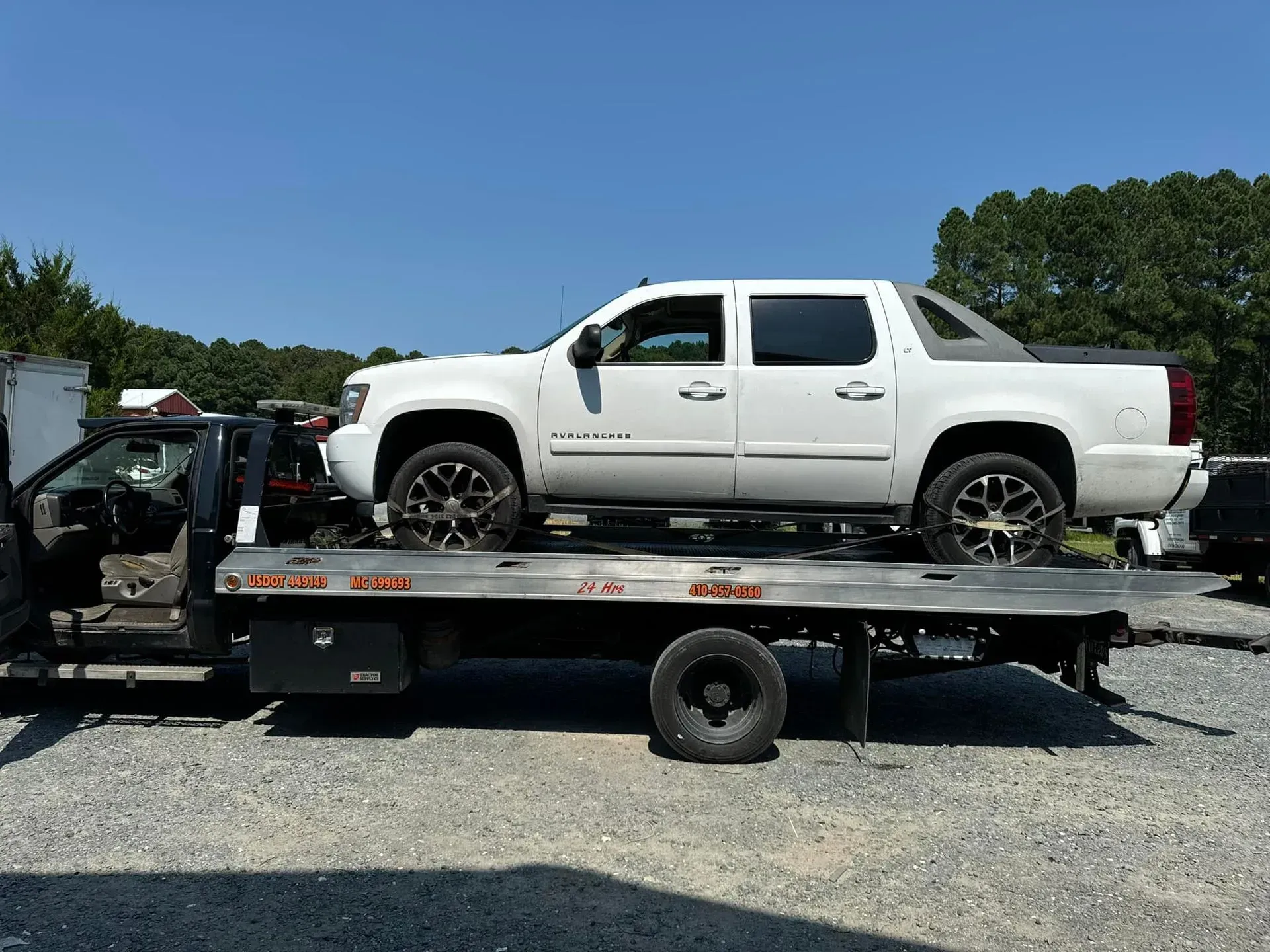
Navigating the roads of the Eastern Shore comes with its own unique challenges, from long stretches of rural highways to unpredictable coastal weather. While many drivers enjoy the scenic routes, vehicle breakdowns remain a common concern, leading to unexpected towing needs. Understanding the primary causes of vehicle failures can help drivers take proactive steps to minimize the likelihood of being stranded, saving both time and money. For residents and travelers alike, being informed about potential risks is just as important as knowing how to handle emergencies when they occur.
Vehicle towing is not merely an inconvenience—it often signifies deeper mechanical or maintenance issues that, if addressed early, could prevent more costly repairs. Whether it’s an aging battery, engine complications, or tire-related issues, the causes of vehicle immobilization are diverse but predictable. This blog explores the most common reasons vehicles require towing on the Eastern Shore and provides practical strategies to prevent them. By adopting preventive maintenance practices and understanding the signs of impending failure, drivers can significantly reduce the need for emergency towing services, ensuring safer and more reliable travel across this unique region.
Battery Failures and Electrical Malfunctions
Battery Drain and Failure
Batteries are often the silent culprits behind roadside emergencies, leaving drivers stranded unexpectedly. On the Eastern Shore, fluctuating temperatures, especially in winter months, can reduce battery efficiency and lifespan noticeably. Vehicles with older or poorly maintained batteries are far more susceptible to sudden power loss, leaving drivers helpless on the roadside. A dead battery is one of the most common reasons for emergency towing, particularly when the vehicle cannot start despite repeated attempts to turn it over. Timely battery care prevents such inconvenient and potentially hazardous situations.
Electrical System Complications
Modern vehicles rely heavily on electronics, from ignition systems to onboard computers that manage essential vehicle functions. Malfunctions in alternators, wiring, or fuses can cause sudden breakdowns that are difficult to anticipate. Electrical failures are often challenging to diagnose without professional equipment, making towing unavoidable when a vehicle suddenly stops functioning mid-journey. Ignoring early signs of electrical problems can lead to further complications that may affect multiple systems in the vehicle, increasing both repair costs and towing risks.
Preventive Measures
Maintaining battery health is essential for reliable, consistent vehicle operation and avoiding roadside emergencies. Check voltage levels regularly, clean corrosion from terminals, and replace batteries approaching the end of their expected lifespan. Avoid leaving lights, electronics, or other power-draining devices on when the engine is off. For broader electrical systems, routine inspections by certified technicians can detect subtle issues early, preventing sudden failures and ensuring the vehicle remains fully roadworthy at all times, even during extended trips.
Tire Damage and Blowouts
Causes of Tire Failures
Tire-related issues are another frequent reason vehicles require towing and roadside assistance. Potholes, debris, and uneven road surfaces, which are common in rural and coastal areas, can lead to punctures, sidewall damage, or sudden blowouts. Underinflated or worn tires further increase the risk of accidents and mechanical stress, sometimes immobilizing the vehicle entirely when it is needed most. Regular monitoring and proper tire care can prevent many of these common but dangerous situations.
Real-World Scenarios
A driver traveling along a coastal highway may suddenly experience a tire blowout due to hidden debris, sharp edges, or excessive wear unnoticed during routine checks. In many cases, there is no immediate opportunity to safely change the tire on-site, necessitating towing for safety reasons. Additionally, vehicles carrying heavy loads or trailers are more vulnerable to tire stress, making regular inspection and maintenance even more critical for preventing emergencies on busy or remote roads.
Prevention Strategies
Regular tire inspections, proper inflation, and timely rotation can prevent many tire failures and extend tire lifespan significantly. Keep a spare tire, jack, and tire-changing tools in good working condition at all times. Avoid overloading the vehicle and drive cautiously over uneven terrain or unfamiliar roads. For high-mileage or aged tires, professional evaluation ensures timely replacement before a failure occurs, dramatically reducing the likelihood of needing towing due to tire-related problems.
Fuel and Fluid-Related Emergencies
Running Out of Fuel
While often overlooked, running out of fuel remains a surprisingly common reason for roadside towing on the Eastern Shore. Drivers may miscalculate fuel levels, encounter unexpected delays, or ignore low-fuel warnings, leaving them stranded on highways or in remote areas with limited assistance. Even a short lapse in monitoring fuel consumption can turn into a major inconvenience and safety concern, emphasizing the importance of proactive fuel management during every trip.
Fluid Deficiencies
Vehicles rely on various fluids, including engine oil, coolant, brake fluid, and transmission fluid, to operate smoothly and efficiently. Neglecting fluid maintenance can lead to engine overheating, transmission seizing, or brake failure, all of which require immediate attention. A lack of critical fluids is often sudden and catastrophic, resulting in immediate towing needs and potentially expensive repairs. Maintaining proper fluid levels is a simple but essential preventive step to ensure vehicle reliability.
Preventive Measures
Plan fuel stops carefully, especially on longer journeys or routes that are less-traveled and isolated. Regularly check all vehicle fluids, refill as needed, and adhere strictly to manufacturer-recommended service intervals. Using high-quality fluids and keeping a detailed vehicle maintenance log helps prevent emergencies related to fuel and lubrication deficiencies. Proactive attention to fluid management significantly reduces the chances of unexpected towing incidents while driving.
Preventive Maintenance as a Towing Reduction Strategy
Routine Vehicle Inspections
Regular inspections by qualified technicians can identify potential problems before they develop into roadside emergencies. Checking brakes, belts, hoses, suspension, and electrical systems ensures vehicles are prepared for any journey and can withstand long or challenging drives. Preventive maintenance not only reduces towing incidents but also extends the overall lifespan of the vehicle, ensuring reliable performance year-round.
Seasonal Maintenance
The Eastern Shore experiences seasonal fluctuations that can significantly affect vehicle performance. Winter brings colder temperatures that strain batteries and tires, while summer heat can overwork cooling systems. Adjusting maintenance schedules to account for seasonal factors, such as antifreeze checks in winter or coolant system inspections in summer, helps prevent breakdowns and reduces emergency towing risks. Seasonal readiness is a critical part of proactive vehicle care.
Driver Awareness and Habits
Educating drivers on early warning signs, such as unusual noises, dashboard alerts, or fluid leaks, empowers them to act proactively before a small issue becomes a serious problem. Simple habits, including consistent tire pressure checks, fluid top-offs, and careful monitoring of vehicle performance, can significantly reduce towing frequency. Keeping detailed records of maintenance history also allows technicians to provide more accurate assessments and timely interventions, ensuring the vehicle remains safe and roadworthy.
Expert Towing Prevention Tips by Delmarva Specialists
Vehicles on the Eastern Shore face a range of risks that can lead to unexpected towing needs. Engine and transmission failures, battery issues, tire blowouts, fuel or fluid shortages, accidents, and environmental hazards all contribute to roadside emergencies. While towing is sometimes unavoidable, many of these incidents can be prevented through regular maintenance, timely inspections, and attentive driving practices. Being proactive not only ensures safety but also reduces repair costs and extends vehicle longevity.
For residents and travelers seeking reliable solutions, Automotive Services of Delmarva
in Pocomoke City, Maryland, stands as a trusted authority in vehicle care. With over 30
years of combined experience, the team offers expert diagnostics, preventive maintenance, and emergency support to help drivers avoid breakdowns and minimize towing needs. Their commitment to quality, professionalism, and local expertise ensures that every vehicle receives tailored care. Choosing Automotive Services of Delmarva
means partnering with seasoned
professionals dedicated to keeping vehicles safe, road-ready, and performing at their best across the Eastern Shore.
Engine and Transmission Failures
Common Causes of Engine Issues
One of the leading reasons vehicles require towing is engine failure. Components such as spark plugs, timing belts, or the cooling system can wear out or malfunction over time due to regular use and lack of maintenance. Overheating caused by coolant leaks or clogged radiators is another frequent culprit that often goes unnoticed until it becomes serious. Drivers may notice early warning signs, including unusual engine noises, reduced power, or the check engine light illuminating on the dashboard. Ignoring these signs often escalates the problem quickly, resulting in a sudden breakdown on the road in inconvenient or unsafe locations.
Transmission Troubles
Transmission issues also contribute significantly to towing incidents, affecting both automatic and manual vehicles differently. Automatic transmissions may slip, fail to shift properly, or emit grinding noises, while manual transmissions can develop clutch problems that worsen over time. A vehicle stuck in gear or failing to move when the accelerator is pressed is a clear indicator that towing may soon be necessary. Transmission repairs are complex and expensive, and attempting to drive a malfunctioning vehicle can quickly worsen the damage. Early attention is critical to avoiding more serious mechanical failures and costly repairs.
Prevention Tips
Regular engine and transmission maintenance is crucial for reliable vehicle operation and safety. Conduct routine oil changes, inspect belts and hoses, and ensure all fluid levels are within recommended ranges to avoid failures. Scheduling annual transmission servicing and paying close attention to early warning signs can prevent sudden, unexpected breakdowns on the road. Using high-quality replacement parts and professional inspections also increases longevity, significantly minimizing the risk of unexpected towing incidents in emergency situations.