Light Duty vs. Medium Duty Towing: What’s the Difference and Which Do You Need?
January 5, 2026
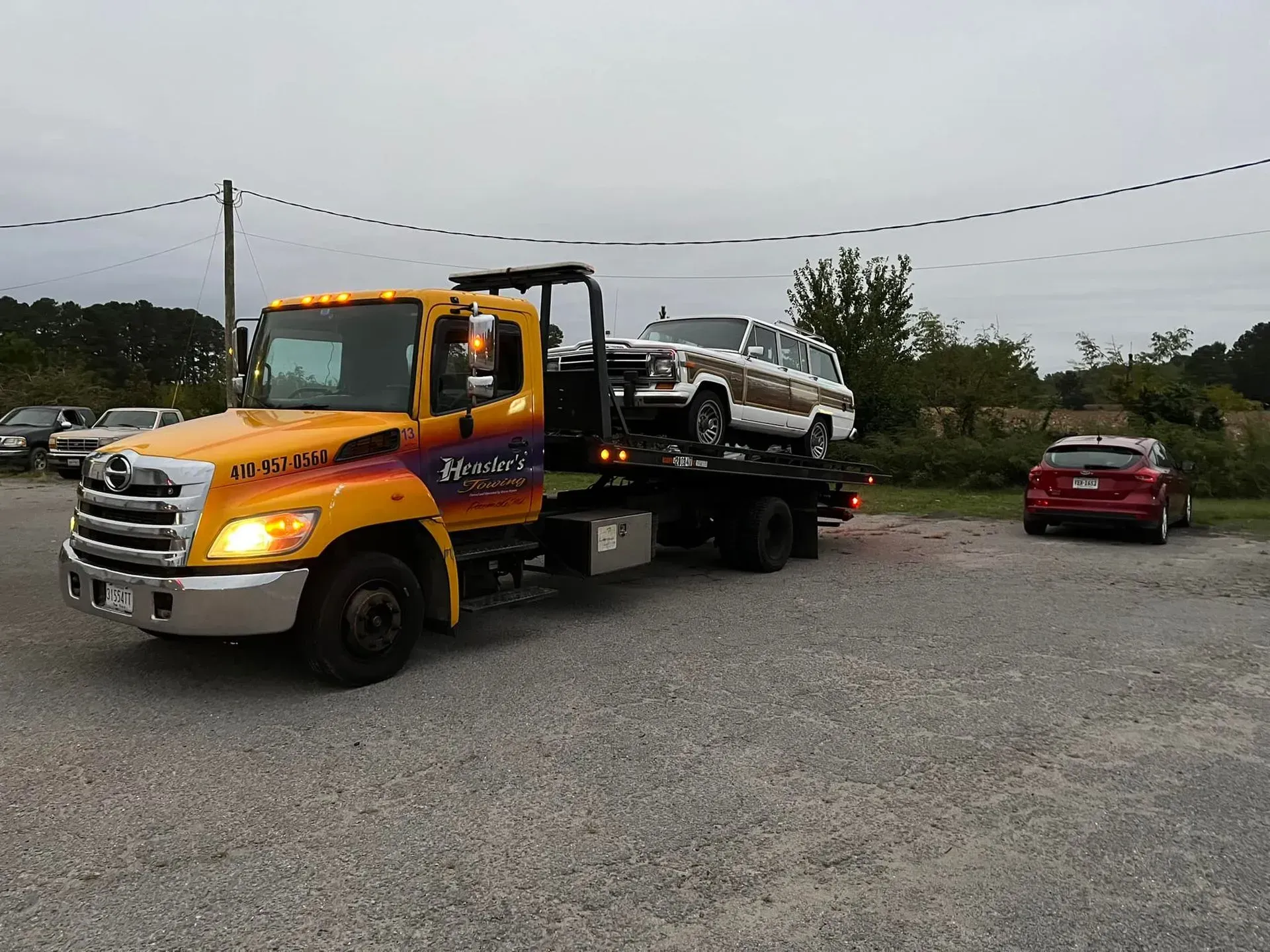
When a vehicle breaks down, experiences an accident, or simply requires relocation, towing becomes an essential solution. Yet, not all towing services are created equal, and choosing the wrong type of tow truck can result in delays, additional expenses, or even damage to your vehicle. This is where understanding the distinctions between light-duty and medium-duty towing becomes critical. Vehicle owners, fleet managers, and roadside assistance providers alike must recognize the importance of selecting the appropriate towing service to ensure safety, efficiency, and reliability.
The difference between light-duty and medium-duty towing is not just about the size of the tow truck; it encompasses weight capacity, equipment features, and operational capabilities. Light-duty towing typically handles passenger vehicles and small trucks, while medium-duty towing serves larger vehicles such as commercial vans, box trucks, or heavier SUVs. Knowing which service aligns with your vehicle’s requirements can prevent unnecessary complications and enhance your overall towing experience. This guide will break down the distinctions, provide practical examples, and offer expert insights to help you make informed decisions, whether for personal use or business operations in the automotive or transport industries
2. Understanding Medium-Duty Towing
Definition and Scope
Medium-duty towing is designed for vehicles that fall between light-duty and heavy-duty classifications, typically ranging from 10,000 to 26,000 pounds. This category includes larger SUVs, box trucks, delivery vans, and certain commercial vehicles. Medium-duty towing is crucial for businesses, commercial fleets, and situations involving heavier vehicles that cannot be safely managed by light-duty tow trucks.
Equipment and Capabilities
Medium-duty tow trucks are more robust, featuring higher towing capacities, reinforced frames, and hydraulic systems capable of handling increased weight. They are often equipped with flatbeds or integrated wheel-lift systems, and some may include boom attachments for added versatility. These trucks are engineered for strength without sacrificing stability, allowing operators to transport heavier vehicles safely.
Real-World Applications
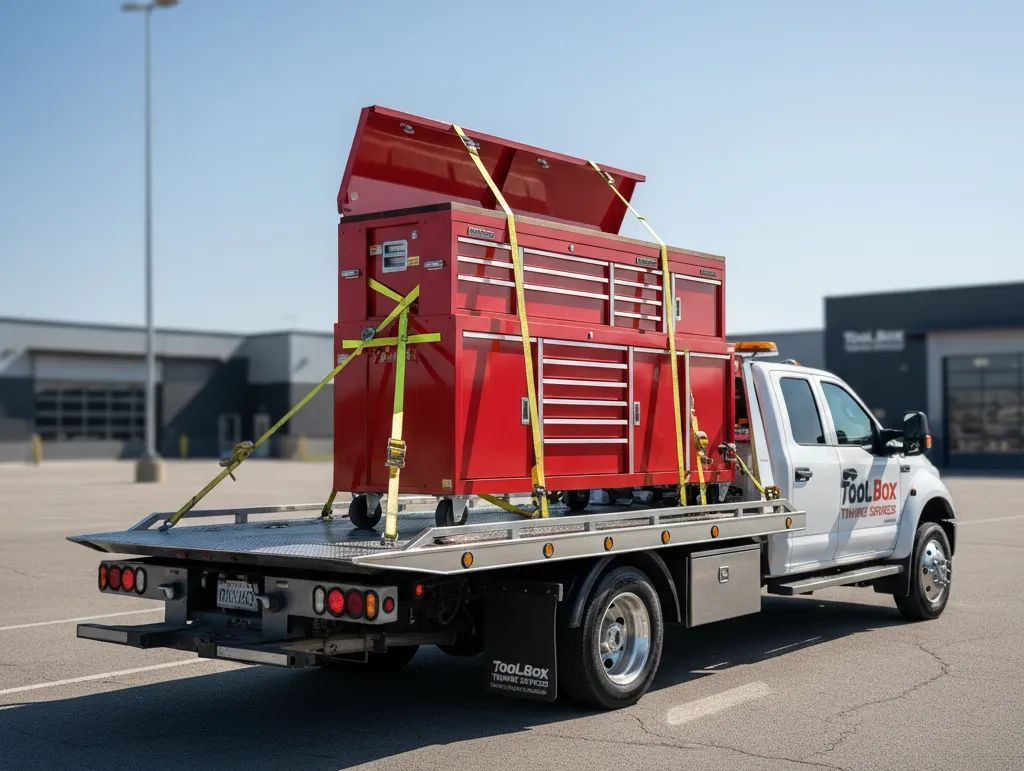
A medium-duty towing scenario could involve a commercial delivery truck that breaks down en route to a customer. Light-duty tow trucks would be inadequate, as the vehicle’s weight and size exceed their safe towing limits. Medium-duty towing ensures that larger vehicles are transported without risk of mechanical strain or accident, making it indispensable for businesses that rely on fleet vehicles.
Benefits
- Versatility: Capable of towing both mid-sized vehicles and heavier passenger vehicles.
- Safety: Specialized equipment reduces the likelihood of damage or mishaps.
- Reliability for Businesses: Ensures fleet operations continue with minimal disruption.
3. Key Differences Between Light-Duty and Medium-Duty Towing
Weight Capacity
The most obvious distinction lies in the vehicle weight each can handle. Light-duty towing accommodates vehicles up to 10,000 pounds, while medium-duty towing handles vehicles up to 26,000 pounds. Understanding these limits is essential to avoid equipment overloading, which can lead to dangerous situations or damage to both the tow truck and the vehicle being towed.
Equipment Differences
While light-duty trucks often rely on simple wheel-lift or hook systems, medium-duty trucks are outfitted with more sophisticated hydraulic mechanisms, stronger frames, and extended towing arms. These enhancements are necessary to manage heavier vehicles safely and efficiently.
Operational Context
Light-duty tow trucks are ideal for personal vehicles, small business fleets, and urban towing. Medium-duty trucks, on the other hand, are suited for commercial applications, larger fleet operations, and situations where vehicle size or weight exceeds the capabilities of light-duty equipment.
Cost Considerations
Medium-duty towing generally incurs higher costs due to specialized equipment, larger trucks, and increased fuel consumption. Light-duty towing is less expensive, making it more suitable for standard vehicles and individual vehicle owners.
4. Scenarios for Choosing the Right Towing Service
Personal Vehicle Towing
For personal vehicles, light-duty towing is usually sufficient. Broken-down cars, minor collisions, and mechanical failures can be addressed efficiently with a light-duty tow truck. For instance, if your sedan’s engine fails on a local highway, a light-duty truck can transport it safely to a repair shop.
Commercial Fleet Support
Businesses with mid-sized delivery vans or larger passenger vehicles benefit from medium-duty towing. Consider a company operating a fleet of box trucks for regional deliveries. If one vehicle breaks down, a medium-duty tow truck ensures that it can be moved without disrupting operations or risking additional damage.
Emergency Situations
In emergencies, knowing which towing service is appropriate is critical. Light-duty tow trucks provide faster response for smaller vehicles, while medium-duty trucks are necessary when larger vehicles block highways or require urgent removal from accident sites. Quick decision-making ensures safety for drivers and road users alike.
Specialized Needs
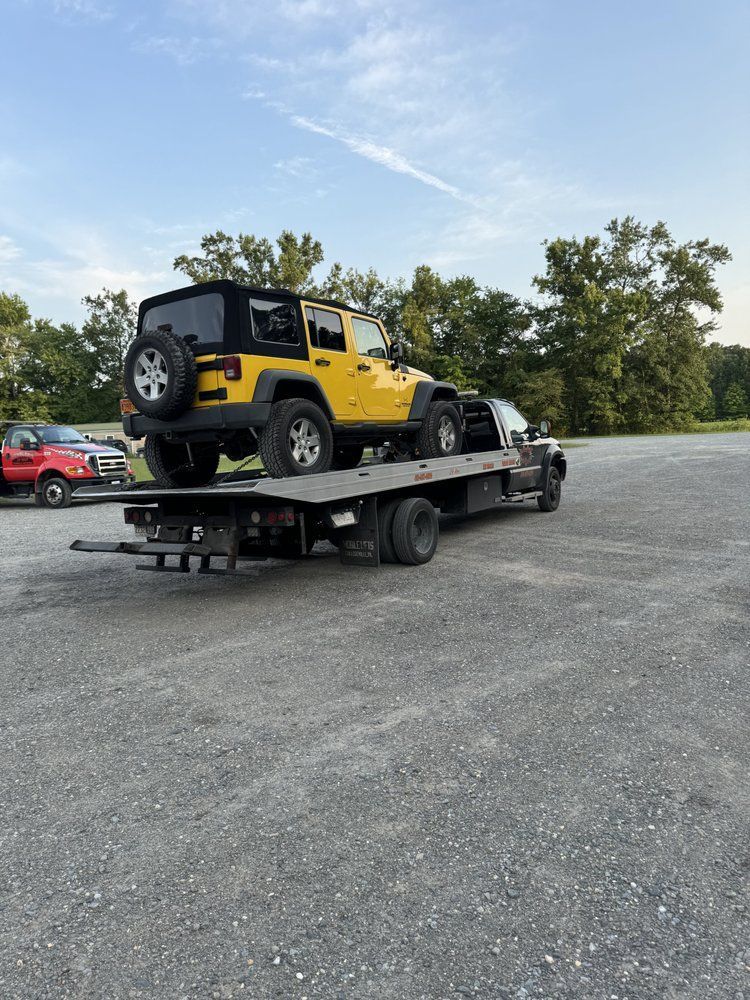
Certain vehicles, such as luxury SUVs, off-road vehicles, or commercial vans, may require equipment considerations beyond weight alone. Flatbeds or integrated wheel-lift systems prevent drivetrain damage and ensure secure transport. Identifying these specialized needs early can help in selecting the correct service.
5. Challenges and Considerations
Accessibility and Maneuverability
Light-duty tow trucks excel in tight spaces but are limited by weight capacity. Medium-duty trucks offer more strength but may face difficulty navigating narrow streets or crowded urban areas. Choosing the right service involves balancing accessibility with the vehicle’s weight and size.
Safety Concerns
Improper towing can lead to vehicle damage, accidents, or personal injury. Overloading a light-duty truck with a heavier vehicle can strain the towing equipment and compromise safety. Medium-duty towing requires operators trained to handle the increased weight and ensure proper load distribution.
Equipment Availability
Not all towing companies have both light- and medium-duty trucks readily available. This limitation can affect response times and service options. When planning towing services, it’s important to confirm that the provider has the appropriate equipment to meet specific needs.
Cost Management
Budget constraints can influence the choice between light- and medium-duty towing. While light-duty services are more affordable, underestimating vehicle weight may result in damage costs that far exceed initial savings. Medium-duty towing offers reliability and reduces the risk of additional expenses, even if the upfront cost is higher.
Expert Towing Solutions Offered by Our Experienced Team
Choosing between light-duty and medium-duty towing is not merely a question of convenience—it directly affects safety, efficiency, and the long-term integrity of vehicles. Light-duty towing serves smaller vehicles with speed, maneuverability, and cost-effectiveness, while medium-duty towing provides the strength and versatility necessary for larger commercial vehicles or heavier personal vehicles. Understanding weight capacities, equipment differences, and operational contexts ensures that vehicle owners and fleet managers make informed decisions. By considering real-world scenarios, emergency needs, and specialized requirements, you can prevent unnecessary delays and expenses while ensuring vehicles are transported safely.
Automotive Services of Delmarva
in Pocomoke City, Maryland, brings over 30 years of combined experience in towing services to both personal and commercial clients. Our expert team understands the nuances between light-duty and medium-duty towing, offering reliable, safe, and timely solutions for every situation. Whether you need rapid roadside assistance for a passenger vehicle or professional transport for a larger commercial fleet, we provide tailored services designed to meet your exact needs. Trust our decades of expertise to safeguard your vehicles while maintaining efficiency, professionalism, and peace of mind at every tow.
6. Best Practices for Choosing a Towing Service
Assess Your Vehicle Type
Always start by evaluating your vehicle’s weight, size, and drivetrain configuration. Knowing these specifications allows you to select a tow truck that can handle the load safely. Vehicle manuals and manufacturer guidelines provide weight ratings essential for this assessment.
Evaluate the Towing Company
Choose towing providers with experience in handling your type of vehicle. Look for companies with certified operators, modern equipment, and a track record of safety and reliability. Positive customer reviews and references can also indicate service quality.
Communicate Special Requirements
If your vehicle has unique needs—such as all-wheel drive, low clearance, or sensitive equipment—inform the towing company in advance. This ensures they deploy the appropriate tow truck and avoid damage during transport.
Prepare for Emergencies
Having access to both light- and medium-duty towing options through a reliable provider can save time during unexpected breakdowns. Pre-arranging roadside assistance plans or company contracts can provide peace of mind and faster response when emergencies arise.
Consider Long-Term Benefits
Investing in professional towing services with the right equipment can reduce long-term costs. Avoiding vehicle damage, ensuring prompt service, and maintaining fleet operations all contribute to better operational efficiency and overall savings.
1. Understanding Light-Duty Towing
Definition and Scope
Light-duty towing refers to towing operations designed for smaller vehicles, generally weighing up to 10,000 pounds. These include standard passenger cars, small SUVs, motorcycles, and light pickup trucks. The primary focus of light-duty towing is to provide quick, efficient, and safe transport for vehicles that do not exceed the weight limits of standard tow trucks.
Equipment and Capabilities
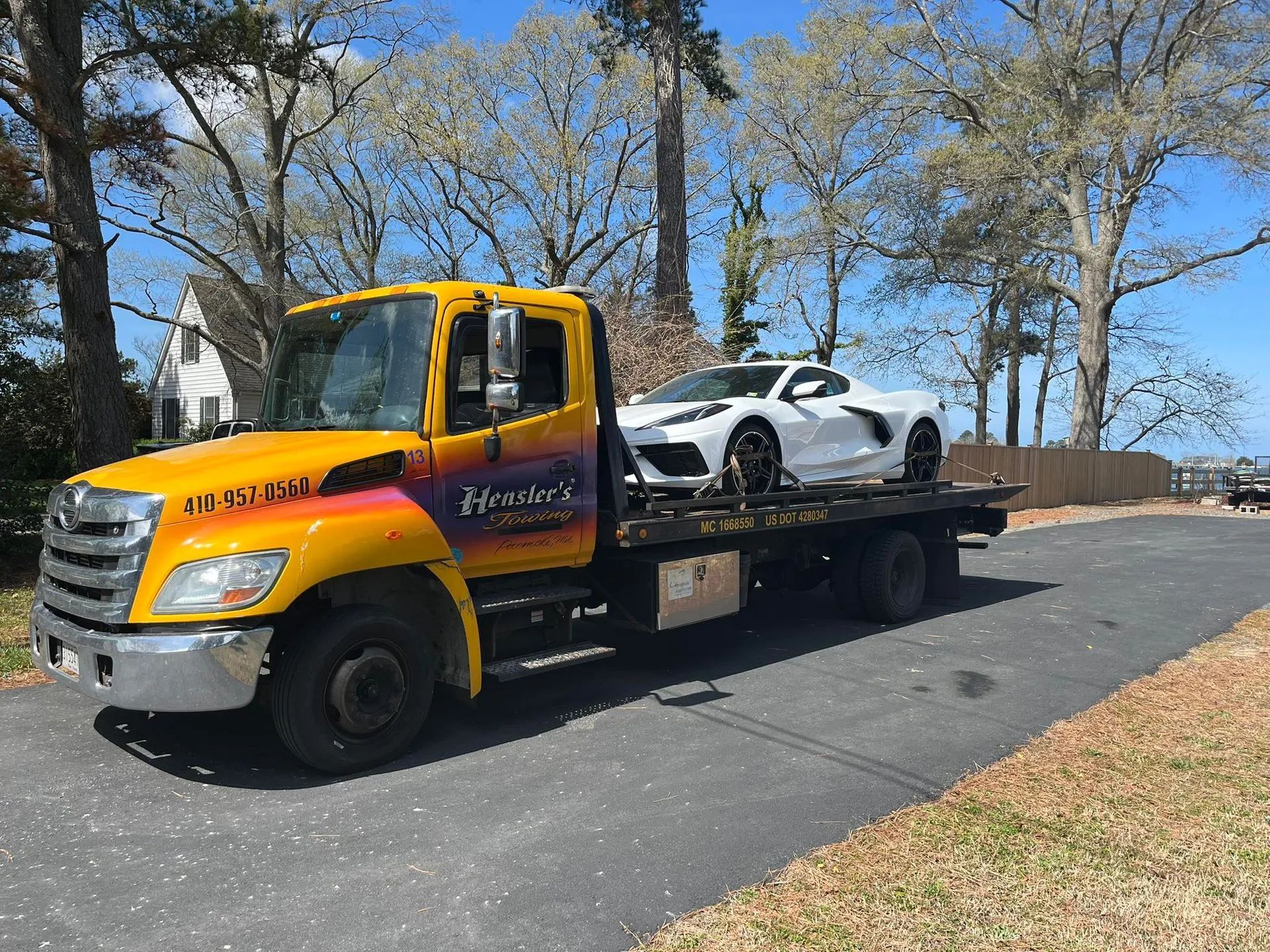
Light-duty tow trucks are typically equipped with wheel-lift systems, hook-and-chain setups, or flatbeds. Flatbeds are especially preferred for luxury vehicles and those with all-wheel drive to prevent drivetrain damage. These trucks are highly maneuverable, allowing operators to navigate residential streets, parking lots, and congested urban areas with ease.
Real-World Applications
Common scenarios for light-duty towing include roadside assistance for a broken-down car, accident recovery of a small vehicle, or relocating a vehicle for maintenance. For example, if a compact sedan experiences a transmission failure on a suburban street, a light-duty tow truck is ideal. It can arrive quickly, secure the vehicle properly, and transport it without causing further harm.
Benefits
- Cost-Effective: Light-duty towing services are generally more affordable than medium-duty towing.
- Faster Response: Smaller trucks can navigate traffic and tight spaces more efficiently.
- Reduced Risk: Proper equipment ensures minimal damage to the vehicle during transport.