Fleet Maintenance Checklist for Contractors in Parsonsburg, MD & the Delmarva Area
October 31, 2026

Quick Answer: A good fleet maintenance checklist for contractors covers six areas: a daily walkaround, tires and brakes, fluids and belts, the battery and charging system, lights and safety gear, and a written service log for every vehicle. Check the daily items before the truck leaves the yard, schedule the deeper items by mileage or hours, and fix small warning signs before they turn into a job site breakdown. On the Delmarva peninsula, add extra attention to cooling systems and corrosion, because summer heat and salt air wear on work trucks faster than most owners expect.
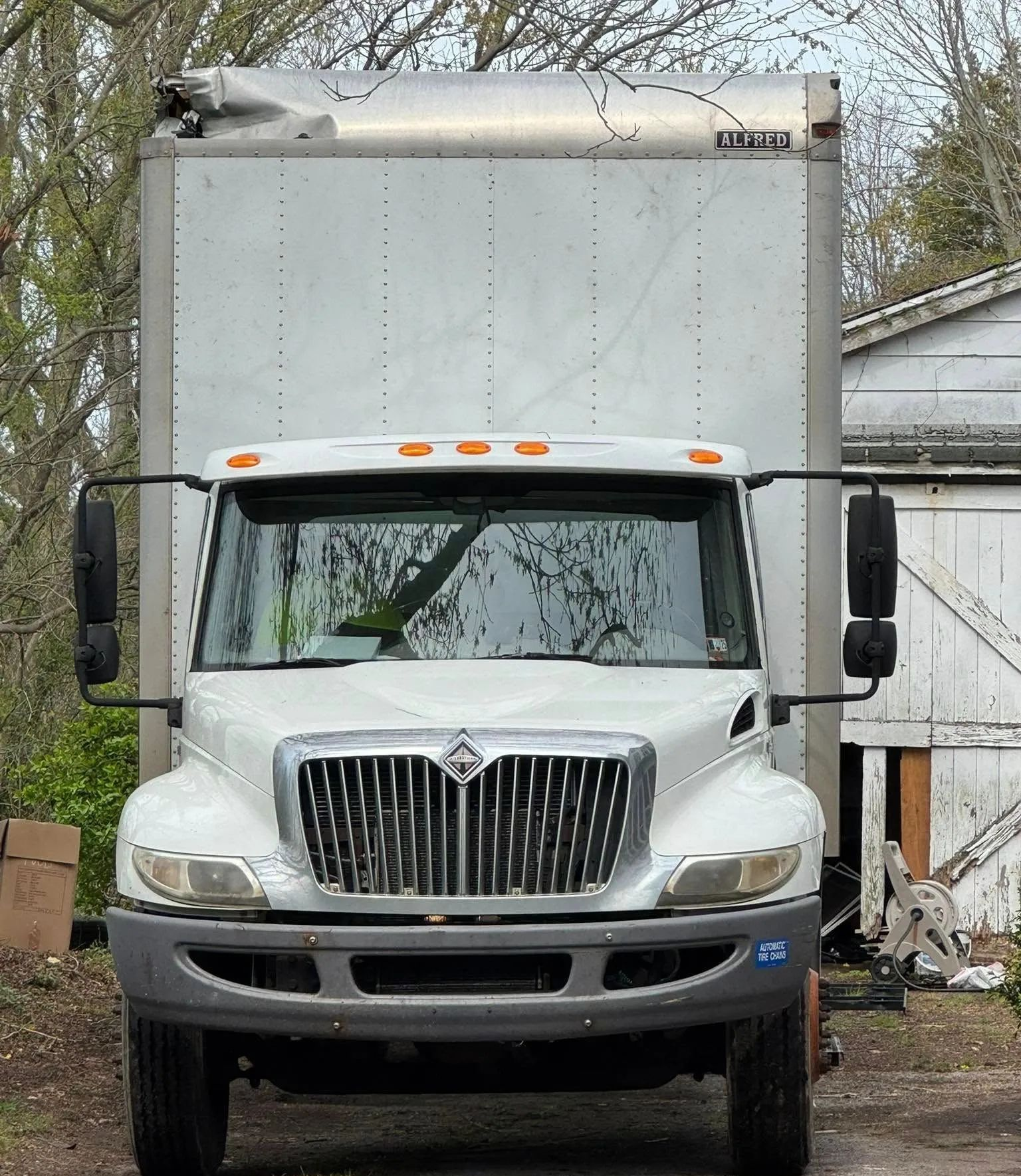
It is 6:40 on a Tuesday morning. Your crew is loading mowers, ladders, and a pallet of material into two trucks and a service van, and the first customer is expecting you by 7:30. The van turns over slowly. One truck has a dash light nobody remembers seeing yesterday. Somebody mentions that a rear tire "looked a little low" on Friday. Nobody wrote any of it down.
That is how a small maintenance miss becomes a lost morning. When you run work trucks for a living, a vehicle that will not start is not an inconvenience. It is a crew standing around, a customer waiting, and a schedule that slides for the rest of the day. A simple checklist, used the same way every time, is the cheapest protection a contractor has against that kind of morning.
Your car just stalled on a dark stretch of Route 13, and you have no idea who to call. Every towing company you find online looks the same; their reviews are mixed, and you are not sure who actually shows up fast, handles your vehicle with care, and charges a fair rate. That one decision, made in under two minutes from the side of the road, can cost you hundreds of dollars or protect your car from damage that a bad tow can quietly cause.
After handling thousands of roadside calls across the Delmarva Peninsula, we can tell you that most drivers have never thought about what separates a
professional towing operation from one that cuts corners until they are already in a bad situation. The seven factors below will help you make that call confidently, whether you are planning ahead or already stranded.
Why Work Trucks Need More Than a Passenger Car Schedule
A pickup that hauls trailers, carries a full bed, and idles at job sites all day does not live the same life as a commuter car. Short trips with lots of stops, heavy loads, dust and debris, and long idle periods all put extra strain on engines, transmissions, and brakes.
Delmarva adds its own wear. Summer heat pushes cooling systems hard, especially when a truck is pulling a trailer along Route 13 in afternoon traffic. Humid, salty coastal air speeds up rust on brake lines, undercarriage parts, and electrical connections. Winters bring cold starts that test every battery in the lot.
Mileage Is Only Part Of The Picture
Landscaping trucks that idle for hours may experience greater engine wear than mileage suggests. Track engine hours alongside miles whenever possible.
Several Small Vehicles Add Up
Small fleets feel breakdowns more severely because spare vehicles are limited. Keeping every truck dependable helps prevent disruptions and costly delays.
Your car just stalled on a dark stretch of Route 13, and you have no idea who to call. Every towing company you find online looks the same; their reviews are mixed, and you are not sure who actually shows up fast, handles your vehicle with care, and charges a fair rate. That one decision, made in under two minutes from the side of the road, can cost you hundreds of dollars or protect your car from damage that a bad tow can quietly cause.
After handling thousands of roadside calls across the Delmarva Peninsula, we can tell you that most drivers have never thought about what separates a
professional towing operation from one that cuts corners until they are already in a bad situation. The seven factors below will help you make that call confidently, whether you are planning ahead or already stranded.
The Daily Walkaround Every Driver Should Do
The daily check does not need to take more than five minutes. What matters is that the same person looks at the same things in the same order before the truck leaves.
Tires
Look at all of them, including the inside duals if you run them. Check for low pressure, bulges, nails, uneven wear, and cracked sidewalls. A tire that looks a little soft in the morning will be worse after a loaded drive.
Lights And Signals
Headlights, brake lights, turn signals, and hazards. Have one person press the brake pedal while another walks behind the truck. Trailer lights deserve the same attention if you tow.
Fluid Leaks
Glance at the ground under the truck where it was parked. A fresh spot of oil, coolant, or transmission fluid tells you something changed overnight.
Dash Warning Lights
Turn the key and watch the lights come on and then go out. Any light that stays on gets reported to whoever manages the vehicles that same day, not at the end of the week.
Load And Hitch
Confirm that equipment is strapped down, the hitch is pinned, safety chains are crossed and secure, and the load sits low and forward.
Tip: Keep a laminated checklist on the driver's door or a shared note on each driver's phone. When the check lives in a familiar place, it gets done. When it depends on memory, it gets skipped on the busiest mornings.
Your car just stalled on a dark stretch of Route 13, and you have no idea who to call. Every towing company you find online looks the same; their reviews are mixed, and you are not sure who actually shows up fast, handles your vehicle with care, and charges a fair rate. That one decision, made in under two minutes from the side of the road, can cost you hundreds of dollars or protect your car from damage that a bad tow can quietly cause.
After handling thousands of roadside calls across the Delmarva Peninsula, we can tell you that most drivers have never thought about what separates a
professional towing operation from one that cuts corners until they are already in a bad situation. The seven factors below will help you make that call confidently, whether you are planning ahead or already stranded.
Tires and Brakes: The Wear Items That Decide Safety
Tires and brakes take the most abuse on loaded work trucks, and they give clear warning before they fail if somebody is paying attention.
Tire Pressure
Check it when the tires are cold, using the number printed on the driver's door placard or the manufacturer's guidance for your load. Pressure changes with temperature, so a quick weekly check matters more in spring and fall when mornings and afternoons swing widely.
Tread And Wear Patterns
Wear on the edges points to low pressure. Wear down the middle points to too much pressure. Wear on one side points to an alignment problem. Each pattern tells you what to fix before the tire is ruined.
Rotation
Rotate on the schedule the manufacturer recommends, and more often on trucks that carry heavy loads on one axle.
Brake Feel And Sound
A squeal, a grinding noise, a pedal that sinks lower than it used to, or a truck that pulls to one side during a stop are all reasons to pull that vehicle off the schedule for an inspection. Brake pads, rotors, and fluid on work trucks wear faster than on a personal vehicle, so inspect them at every scheduled service, not only when something sounds wrong.
Parking Brake
Test it on a slope. Contractors park on driveways, hillsides, and graded lots all day, and a weak parking brake is easy to overlook until a truck rolls.
Your car just stalled on a dark stretch of Route 13, and you have no idea who to call. Every towing company you find online looks the same; their reviews are mixed, and you are not sure who actually shows up fast, handles your vehicle with care, and charges a fair rate. That one decision, made in under two minutes from the side of the road, can cost you hundreds of dollars or protect your car from damage that a bad tow can quietly cause.
After handling thousands of roadside calls across the Delmarva Peninsula, we can tell you that most drivers have never thought about what separates a
professional towing operation from one that cuts corners until they are already in a bad situation. The seven factors below will help you make that call confidently, whether you are planning ahead or already stranded.
Fluids, Belts, and the Cooling System
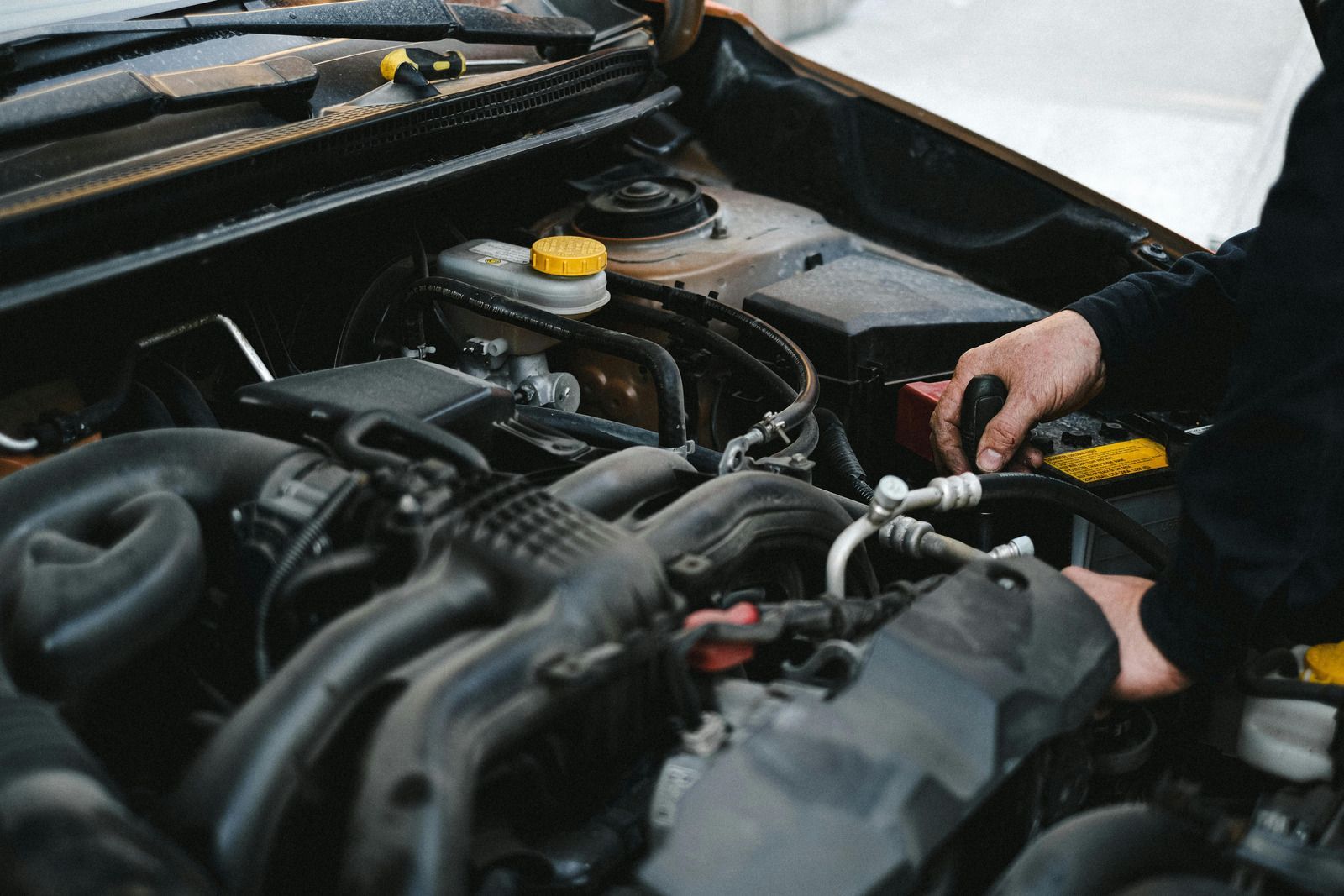
Fluids are the lifeblood of a work truck, and checking them is quick. The consequences of ignoring them are not.
Engine Oil
Check the level and the color on a weekly basis, and follow the manufacturer's change interval based on severe duty, not the easy schedule. Towing, idling, dusty job sites, and stop and go driving all count as severe duty.
Coolant
Look at the level in the reservoir with the engine cold, and inspect hoses for swelling, cracks, or soft spots. Summer heat on Delmarva is when weak cooling systems show themselves, usually with a truck loaded to the limit on a long grade or stuck in beach traffic.
Transmission Fluid
Check the level and look at the color. Fluid that smells burnt or looks dark and gritty is a sign the transmission is working too hard. Trucks that tow regularly should have their transmission fluid serviced earlier than the standard interval.
Brake Fluid And Power Steering Fluid
Both should be at the proper level and free from a milky or dark appearance.
Belts And Hoses
Look for cracking, glazing, fraying, or a squeal on startup. A snapped serpentine belt takes out the water pump, alternator, and power steering at the same time, and it often happens at the worst possible moment.
Warning: If a temperature gauge climbs toward the red or steam appears from under the hood, stop driving as soon as it is safe to do so. Running an overheated engine even a few extra minutes can cause damage that turns a minor repair into a major engine problem.
Your car just stalled on a dark stretch of Route 13, and you have no idea who to call. Every towing company you find online looks the same; their reviews are mixed, and you are not sure who actually shows up fast, handles your vehicle with care, and charges a fair rate. That one decision, made in under two minutes from the side of the road, can cost you hundreds of dollars or protect your car from damage that a bad tow can quietly cause.
After handling thousands of roadside calls across the Delmarva Peninsula, we can tell you that most drivers have never thought about what separates a
professional towing operation from one that cuts corners until they are already in a bad situation. The seven factors below will help you make that call confidently, whether you are planning ahead or already stranded.
Batteries, Starters, and Electrical Health
Starting problems are the number one reason a crew loses the first hour of the day, and most of them can be seen coming.
Slow Cranking
If an engine turns over more slowly than it did a month ago, the battery or the charging system is already weakening. Do not wait for a no start.
Terminals And Cables
Look for white or blue crusty buildup, loose clamps, or frayed cables. Salt air makes terminal corrosion a regular visitor on the Eastern Shore.
Battery Age
Batteries do not last forever, and heat shortens their lives as much as cold. Record the install date on each unit and plan to test any battery that has been in service for several years, especially before winter.
Accessories And Add Ons
Work trucks often carry extra lights, inverters, radios, and toolbox power. Every added load asks more of the alternator and battery, so check that the charging system keeps up.
Warning Lights On The Dash
A battery or charging light is a message. Treat it as a reason to have the system tested, not a light that will probably go away.
Your car just stalled on a dark stretch of Route 13, and you have no idea who to call. Every towing company you find online looks the same; their reviews are mixed, and you are not sure who actually shows up fast, handles your vehicle with care, and charges a fair rate. That one decision, made in under two minutes from the side of the road, can cost you hundreds of dollars or protect your car from damage that a bad tow can quietly cause.
After handling thousands of roadside calls across the Delmarva Peninsula, we can tell you that most drivers have never thought about what separates a
professional towing operation from one that cuts corners until they are already in a bad situation. The seven factors below will help you make that call confidently, whether you are planning ahead or already stranded.
Lights, Safety Gear, and Cab Condition
The last pass on the checklist covers the items that keep drivers safe and keep vehicles ready for the unexpected.
Wipers And Washer Fluid
Streaky wipers and an empty reservoir become a safety problem the first time you drive into a coastal squall.
Mirrors And Glass
Cracked or loose mirrors, and chips in the windshield that are spreading, deserve attention before the next long haul.
Emergency Kit
Reflective triangles, a flashlight with fresh batteries, a first aid kit, a fire extinguisher, jumper cables or a booster pack, a tire pressure gauge, and a basic tool set. Check the kit each month so nothing has expired or walked off.
Cab And Seat Belts
Make sure seat belts latch and retract, the horn works, and the cab is free of loose items that could slide under the pedals.
Registration And Inspection Paperwork
Keep current paperwork in a folder in each vehicle so a driver is never stuck searching for it at the roadside.
Your car just stalled on a dark stretch of Route 13, and you have no idea who to call. Every towing company you find online looks the same; their reviews are mixed, and you are not sure who actually shows up fast, handles your vehicle with care, and charges a fair rate. That one decision, made in under two minutes from the side of the road, can cost you hundreds of dollars or protect your car from damage that a bad tow can quietly cause.
After handling thousands of roadside calls across the Delmarva Peninsula, we can tell you that most drivers have never thought about what separates a
professional towing operation from one that cuts corners until they are already in a bad situation. The seven factors below will help you make that call confidently, whether you are planning ahead or already stranded.
Building a Service Schedule and a Written Log
A checklist only works if it is attached to a calendar and a record.
Set Service Intervals By Use
Group vehicles by workload and operating conditions. Delivery trucks, idling work trucks, and towing pickups need different service schedules based on their demands.
Keep One Log Per Vehicle
Record dates, mileage, completed maintenance, and outstanding issues. Repeated notes in vehicle logs can reveal developing problems before breakdowns occur.
Pick One Person To Own It
Assign an owner, foreman, or office manager to oversee maintenance schedules, ensure inspections happen, and review records without handling every repair.
Rotate Vehicles Through The Shop On A Plan
Schedule maintenance to minimize downtime. Mobile service can inspect vehicles at your yard or job site without sacrificing a full working day.
Decide In Advance What Happens When A Truck Goes Down
Prepare a breakdown plan covering roadside assistance, replacement vehicles, and customer communication. Planning ahead prevents confusion during busy workdays.
Your car just stalled on a dark stretch of Route 13, and you have no idea who to call. Every towing company you find online looks the same; their reviews are mixed, and you are not sure who actually shows up fast, handles your vehicle with care, and charges a fair rate. That one decision, made in under two minutes from the side of the road, can cost you hundreds of dollars or protect your car from damage that a bad tow can quietly cause.
After handling thousands of roadside calls across the Delmarva Peninsula, we can tell you that most drivers have never thought about what separates a
professional towing operation from one that cuts corners until they are already in a bad situation. The seven factors below will help you make that call confidently, whether you are planning ahead or already stranded.
When a Truck Keeps Having the Same Problem
Every fleet owner eventually faces the truck that is always in the shop. It overheats twice in a season, it burns oil, or the transmission starts slipping. At that point the question stops being whether to fix it again and becomes whether the vehicle is still the right tool for the job.
Look at the pattern in your log. A single repair on an otherwise healthy truck is routine. Repeated repairs on the same system, rising downtime, and growing doubt from your drivers are signs to sit down with a technician and talk through the options, including whether a major repair or a replacement engine or transmission would put the vehicle back on dependable footing. The earlier you ask, the more options you have.
Your car just stalled on a dark stretch of Route 13, and you have no idea who to call. Every towing company you find online looks the same; their reviews are mixed, and you are not sure who actually shows up fast, handles your vehicle with care, and charges a fair rate. That one decision, made in under two minutes from the side of the road, can cost you hundreds of dollars or protect your car from damage that a bad tow can quietly cause.
After handling thousands of roadside calls across the Delmarva Peninsula, we can tell you that most drivers have never thought about what separates a
professional towing operation from one that cuts corners until they are already in a bad situation. The seven factors below will help you make that call confidently, whether you are planning ahead or already stranded.
Frequently Asked Questions
How often should I inspect my work trucks?
Do a quick walkaround every day before the truck leaves the yard, check fluids and tire pressure weekly, and schedule deeper inspections of brakes, belts, hoses, and the battery at the interval the manufacturer recommends for severe duty. Trucks that tow or idle heavily should lean toward the shorter end of the range.
What are the most common causes of work truck breakdowns on the Eastern Shore?
Dead or weak batteries, overheating from tired cooling systems, worn tires, and failed belts account for many of the calls. Heat, humidity, and salt air make each of those more likely, which is why the cooling system and electrical connections deserve extra attention here.
Can a small business with only a few vehicles use a formal checklist?
Yes, and it matters more for a small business. With only two or three trucks, a single breakdown can stop half your operation. A one page checklist and a simple log for each vehicle take very little time and pay off quickly.
Do I need to bring every vehicle to the shop for these checks?
Not always. Drivers can handle the daily walkaround themselves, and mobile fleet service can bring routine checks and some repairs to your yard or job site. Bigger items, like brake work or engine repairs, may call for a shop visit, and a good provider will coordinate that for you.
What should I do when a work truck breaks down on the job?
Get the vehicle and the crew to a safe spot, turn on the hazard lights, and call for help right away. Roadside assistance can handle jump starts, flat tires, and fuel delivery, and a tow is the right call when the truck cannot be safely driven.
How do I know when a truck needs a major repair instead of another small fix?
Watch your service log. When the same system keeps failing, downtime is climbing, or a technician finds damage inside the engine or transmission, it is time to weigh a major repair or replacement against continuing with small fixes.
Your car just stalled on a dark stretch of Route 13, and you have no idea who to call. Every towing company you find online looks the same; their reviews are mixed, and you are not sure who actually shows up fast, handles your vehicle with care, and charges a fair rate. That one decision, made in under two minutes from the side of the road, can cost you hundreds of dollars or protect your car from damage that a bad tow can quietly cause.
After handling thousands of roadside calls across the Delmarva Peninsula, we can tell you that most drivers have never thought about what separates a
professional towing operation from one that cuts corners until they are already in a bad situation. The seven factors below will help you make that call confidently, whether you are planning ahead or already stranded.
Build Habits That Keep Your Fleet Rolling
A fleet runs on small habits: a five minute walkaround, a written note, a service visit made before the problem forces it. Build those habits now, and the next early morning will start with a crew on the road instead of a crew in the driveway.
Contractors across Parsonsburg and the Delmarva area count on Automotive Services of Delmarva, with over 30 years of combined experience, for mobile fleet and mechanical support, along with towing and roadside help around the clock when a truck goes down anyway.
Keep your crew working instead of waiting on a broken truck: Automotive Services of Delmarva
supports contractors, landscapers, and service companies with mobile fleet and mechanical service, routine maintenance checks, diagnostics, and 24/7 towing and roadside help when a work truck or van will not make it to the next job. Our team can look over your vehicles at your yard or job site, help you set a maintenance rhythm that fits your schedule, and respond fast when a breakdown cannot wait. Reach out today to line up service for your fleet before the next early morning goes sideways.